
What Should Buyers Check When Choosing Light Bulb Holder with Cord?
When selecting a light bulb holder with cord, procurement professionals must evaluate critical factors that directly impact operational efficiency and safety. The right choice depends on understanding socket base compatibility (E14, E27, or B22), wire gauge specifications, temperature ratings, and certification standards like VDE or CE. Beyond technical parameters, buyers should assess cord length customization options, inline switch functionality, and the manufacturer's ability to deliver consistent quality at scale. These considerations determine whether the product will meet durability expectations in demanding environments while complying with regional electrical safety regulations.
Understanding Light Bulb Holders with Cord: Definition and Key Features
What Makes These Lighting Components Versatile?
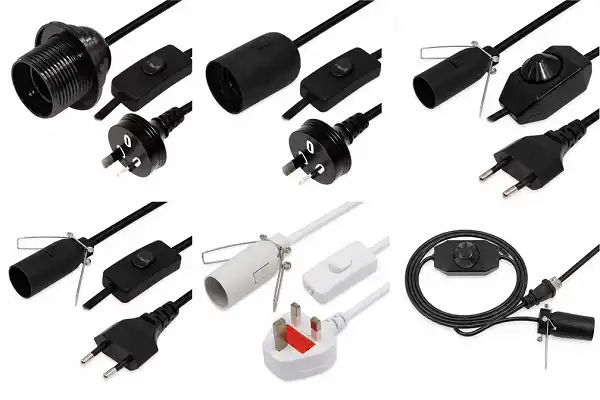
A light bulb holder with cord combines the socket assembly with a flexible power cable, making it possible to use lighting that isn't fixed in one place. Unlike traditional fixtures that are hardwired, these assemblies can be quickly set up in places where mobility is important, like store displays, temporary lighting in warehouses, and decorative uses. The design usually has a threaded socket base, wire connections that are built in, and protective insulation materials that keep the electrical integrity even when the device is being used all the time.
Material Construction Variations
For LEDs, socket housings are made of heat-resistant thermoplastics like PBT. For high-wattage incandescent bulbs, they are made of high-temperature ceramics. The cord has two conductors and is usually rated at 0.75 mm² or higher. It is insulated with anything from normal PVC to flame-retardant compounds that meet UL94 V-0 standards for flammability. Kuncan Electronics makes systems with H03VVH2-F wire types that can work continuously at 70°C and E14 sockets that can handle 105°C to keep enclosed fixings from breaking down due to heat.
Socket Base Compatibility Standards
Sockets need to be set up in certain ways for each regional market. In Europe, E14 and E27 Edison screw bases are most common. In North America, however, larger E26 bases are more common. The fixed contact design makes sure that the bulb stays in place and that the electrical link stays strong through mechanical pressure. When buying things to send abroad, buyers must make sure that the socket base measurements meet IEC 60238 standards to make sure that all bulbs will work with all product lines.
Criteria Screening for Selecting the Right Light Bulb Holder with Cord
Application-Specific Durability Requirements
Industrial environments demand socket assemblies that can handle mechanical vibration and changes in temperature. When factories use high-bay lighting, they need Mogul base sockets with stronger fixing systems to keep the sockets from coming loose from the constant use of the equipment. Aesthetics are important in retail and hospitality settings, so they often ask for cord finishes that look nice and mounting hardware that can be adjusted. For outdoor use, you need IP-rated safety against water getting in and UV-resistant wire jackets that keep the cables from cracking from too much sun. To choose the best light bulb holder with cord, buyers must evaluate these specific environmental factors.
Electrical Rating Verification
The safe operating limits are directly linked to the voltage and current ratings printed on socket assemblies, and for light bulb holder with cord, a typical European lamp holder with an inline switch can handle 2.5A at 250V, which means it can only handle a maximum load of about 600W, and buyers need to compare these specs to the wattages of the bulbs they want to buy, taking into account surge currents that happen when the bulbs are first turned on, and for LED retrofit applications, the operating voltage is usually much lower than the maximum rating, but to make sure the lights work with electronic drivers, the inrush current handling needs to be checked to avoid annoying trips or part failure. A typical European lamp holder with an inline switch can handle 2.5A at 250V, which means it can only handle a maximum load of about 600W. Buyers need to compare these specs to the wattages of the bulbs they want to buy, taking into account surge currents that happen when the bulbs are first turned on. For LED retrofit applications, the operating voltage is usually much lower than the maximum rating. However, to make sure the lights work with electronic drivers, the inrush current handling needs to be checked to avoid annoying trips or part failure.
Certification and Compliance Documentation
International markets have different rules about what kinds of safety certifications are needed to bring goods into the country and who is responsible for damages. VDE certification proves that you follow German electrical safety rules that are known and respected all over Europe. The CE mark means that the product meets EU rules for electromagnetic compatibility and the safety of low voltage equipment. In North America, products must have UL or ETL listings that show they meet the requirements of the NFPA 70 National Electrical Code. Teams in charge of buying things should ask for full test results that show that the products passed tests for flame resistance, dielectric strength, and mechanical endurance. These tests should have been done by accredited labs.
Kuncan Electronics keeps full certification portfolios for all major countries and makes test paperwork available during the specification process. Our European power cords that are VDE-certified have verified heat-resistance parameters and inline switches that have been tested through 10,000+ cycle endurance routines. This makes sure that the cords will last for a long time, which cuts down on warranty claims and boosts the brand's image.
Customization Flexibility and Lead Times
A lot of the time, buyers who buy a lot of products need to change the products so that they can stand out or fit certain requirements. Most of the time, customization means changing the length of the cable. Standard lengths are 1.5m and 1.8m, but they can be made longer or shorter depending on the need. Different plug standards can be accommodated by changing the configuration of the terminals, and the placement of inline switches can be made more accessible for easier use in certain fixture designs. Private label packaging and custom color molding let you show off your brand in a better way at retail.
Lead times for manufacturing have a direct effect on planning supplies and responding to the market. Sample production usually ends within 3–7 business days, which lets you test the idea quickly before committing to full production runs. It takes 15 to 25 days for bulk sales, based on how many there are and how complicated the customization is. When suppliers offer flexible minimum order amounts, sellers can try out new markets without committing too much capital. This keeps the supply chain flexible when demand changes.
Common Challenges and Safety Tips for Light Bulb Holders with Cord
Proper Installation Procedures
The most common way for socket systems to fail is through bad wiring, which can be caused by flipped polarity or not tightening the terminals enough. To connect, the neutral wire must go into the threaded shell and the live wire must go into the center contact terminal. By keeping the exposed threads at ground potential, this configuration reduces the risk of shock when the bulb is being replaced. When you tighten terminal screws to the right force, you avoid damaging the conductor strands. On the other hand, if you don't tighten them enough, you create high-resistance links that produce heat and speed up the breakdown of insulation. Proper installation of a light bulb holder with cord is essential for long-term safety.
Preventing Thermal Overload
Socket assemblies make heat when the bulb is turned on and when resistance losses happen at the connection points. Fixtures that are enclosed trap heat energy, which raises the temperature around them above their stated limits. Buyers should ask for sockets with temperature values that are a little higher than what they are supposed to work at. Kuncan's E14 sockets have a value of 105°C, which gives them a lot of room for use in decorative applications with 40W incandescent lights, where socket temperatures usually reach their highest point around 65°C when they are used continuously.
LED Bulb Compatibility Considerations
When using electronic LED drivers, compatibility issues arise that don't happen with regular resistive loads, and for light bulb holder with cord, some LED lights have a bad power factor or make harmonic currents that make dimmer switches and inline settings not work right, and when LED drivers use a sensitive input stage, mechanical switches that aren't made for electronic loads may trip for no reason, and inline switches should have the right electronic load ratings, which are usually marked with "LED compatible" marks or specific VA ratings that take reactive power components into account. Some LED lights have a bad power factor or make harmonic currents that make dimmer switches and inline settings not work right. When LED drivers use a sensitive input stage, mechanical switches that aren't made for electronic loads may trip for no reason. Inline switches should have the right electronic load ratings, which are usually marked with "LED compatible" marks or specific VA ratings that take reactive power components into account.
Comparing Popular Options: How to Choose Between Metal and Plastic, Vintage vs Modern Holders?
Material Selection Impact on Performance
Metal plug housings are better at removing heat and are stronger, so they can be used in high-wattage situations where efficiency depends on thermal management. In industrial settings, aluminum and brass constructions don't easily get damaged by impact, but they do need to be properly grounded to avoid shock hazards from insulation failures. Engineering thermoplastics used in plastic housings make them very good at keeping electricity out and resisting corrosion in damp places. The difference in the cost of materials affects how prices are set. Thermoplastic assemblies are affordable choices for uses that need to save money without sacrificing safety when properly certified. Choosing the right material for a light bulb holder with cord ensures durability.
Aesthetic Considerations in Design Selection
Hotels and small shops that want to look like they're from the past like vintage-style socket assemblies with exposed brass parts and twisted fabric cords. These styles cost more, but they set named product lines apart in markets with lots of competition. Modern architectural lighting fixtures that are part of the building's design instead of being artistic focal points look good with modern minimalist holders that have clean lines and wire that is hidden. The design choice has a direct effect on how to position your business in the target market and how to set yourself apart from competitors.
Environmental Protection Ratings
Socket systems used outside are exposed to rain, dust, and temperature changes that quickly damage parts that aren't covered. The IP67 and IP68 ratings mean that the construction is sealed, so water can't get in during temporary immersion. This is important for ground-level landscape lighting and outdoor decorative installations. UV-resistant cable jackets stop photodegradation, which happens when cables are exposed to the sun for months and causes insulation to fail and crack. People who are buying things to use outside should make sure that the environmental ratings cover the socket housing and cable assembly as a whole, not just as separate parts.
Trusted Brands and Suppliers: Where and How to Buy Light Bulb Holders with Cord?
Evaluating Manufacturer Credentials
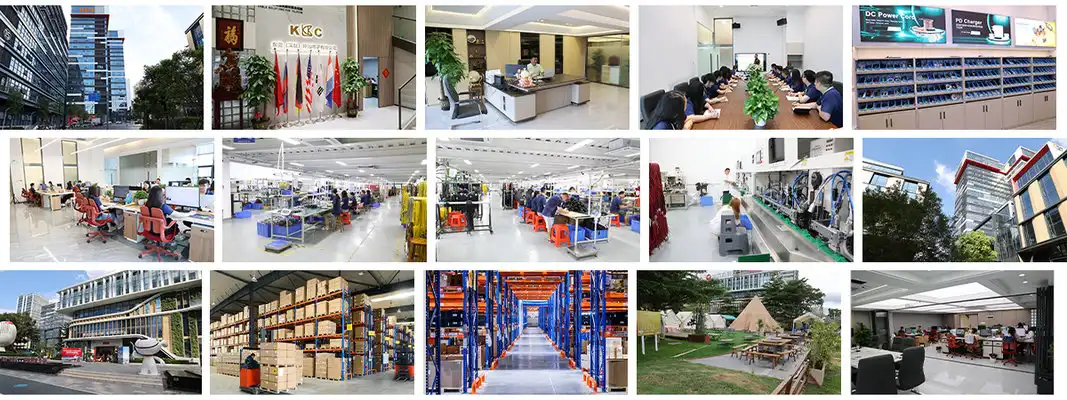
Choosing a supplier has a big effect on how consistent the products are and how stable the supply chain is. Companies that have been around for a while and have production systems that are ISO-compliant show that they care about quality management in more ways than just getting their products certified. Audits of factories that show automatic equipment for pulling wires and crimping terminals show that money was spent on process control that lowers mistakes made by people and differences between batches. Kuncan Electronics has more than 300 trained workers and follows strict electrical testing methods on all finished assemblies. This ensures every light bulb holder with cord is tested before shipment.
Supply Chain Stability Indicators
Diversifying where buyers get their raw materials keeps them from having to deal with supply problems that come up when they depend on just one supplier. Manufacturers who keep working relationships with multiple wire producers and metal stamping vendors are able to handle changes in commodity prices and limited production capacity. Measuring lead time consistency across multiple order cycles shows how mature operations are and how well production planning is working. When suppliers make their capacity planning information clear, distributors can plan promotions that guarantee product availability.
Warranty and Technical Support Infrastructure
A guarantee that covers more than just fixing problems shows that the company that made the product is confident in its reliability. Kuncan Electronics offers a one-year guarantee against problems with the way the products were made, along with quick repair procedures that cause as little trouble as possible for customers. When suppliers offer technical support services like application engineering help and custom solution development, they become strategic partners instead of just transactional vendors. Access to detailed product documentation, installation guides, and troubleshooting resources makes it easier for distribution channels to help customers after the sale.
Conclusion
To choose the best light bulb holder with cord, you need to weigh technical specs, certification compliance, customization options, and seller dependability. When making purchases, people should look for temperature ratings that are right for the job, safety certifications that are confirmed and match the target market, and manufacturing partners who can show consistent quality through written testing procedures. Choosing between metal and plastic housings depends on how they will be used and how they look. Inline switch specifications need to take LED driver compatibility into account. Stable supply chains, warranties, and technical support infrastructure are what set strategic manufacturing partners apart from market sellers who can't support long-term growth goals.
FAQ
How Do I Determine the Correct Wire Gauge for My Application?
The maximum current load and cable length in your installation will help you choose the right wire gauge. For cords shorter than 2 meters, a 0.75 mm² wire can safely handle 2.5A at 250V. This makes the cords good for low-wattage and decorative lights. For longer cable runs or heavier loads, bigger wires are needed to keep the power from dropping and the heat from building up too much. To make sure they are following the rules, buyers should figure out the total circuit current by adding up all the connected bulbs and adding 25% to that number when they select the wire size for their light bulb holder with cord application.
What Safety Certifications Are Essential for Different Markets?
In order to sell something in Europe, it needs to have a VDE or CE mark that shows it meets EN safety standards for things like resistance to insulation and flame retardancy. For marketing in North America, products must have UL or ETL listings that show they meet the standards of the NFPA 70 National Electrical Code. Asian markets usually accept CB certificates that are issued under the IECEx scheme, which makes them recognized around the world. During the qualification process, buyers should ask for full certification paperwork, such as test reports, to make sure the item is real and meets the requirements for approval.
Can I Use These Assemblies with Dimmer Switches?
It depends on both the details of the inline switch and the technology of the bulb whether it works with dimmer settings. Standard phase-control dimmers work well with traditional light bulbs, but electronic dimmers made just for LED loads are needed for LED lamps. For dimming uses, the inline switch on socket fittings needs to have the right load ratings, which are usually different from the normal on/off ratings. If a buyer wants dimming to work, they should make sure that the whole system is compatible, including the socket assembly, the dimmer control, and the choice of bulb.
Partner with Kuncan Electronics for Certified Lighting Solutions
Kuncan Electronics has been making electronics for 17 years and has a wide range of certifications that help purchasing managers find reliable light bulb holder with cord suppliers. Our VDE-certified European power lines have heat-resistant E14 sockets that can handle temperatures up to 105°C and inline switches that have been tested over 10,000 times to make sure they will last in challenging business settings. We offer options that are tailored to your needs, such as cable lengths that can be changed from 1.5m to 1.8m, private name packaging, and fast sampling within 3–7 days. We offer a stable supply chain that lowers risk and speeds up time-to-market through 100% electrical testing, ISO-compliant production systems, and flexible order quantities that can be used for both bulk procurement and market testing. Email our technical team at rhea@szkuncan.net to talk about your unique needs and get full product specs.
References
1. National Electrical Manufacturers Association. NEMA Standards Publication for Lampholders and Lamp Sockets. Washington, DC: NEMA, 2019.
2. International Electrotechnical Commission. IEC 60238: Edison Screw Lampholders. Geneva: IEC, 2018.
3. Underwriters Laboratories. UL 496 Standard for Safety: Lampholders. Northbrook, IL: UL, 2020.
4. European Committee for Electrotechnical Standardization. EN 60598-1: Luminaires - Part 1: General Requirements and Tests. Brussels: CENELEC, 2021.
5. Smith, Richard J. Electrical Safety Handbook. 4th ed. New York: McGraw-Hill Education, 2020.
6. Chen, Wei and Kumar, Ashok. Modern Power Cord Design and Certification. Boston: Technical Publishing International, 2022.

USER EVALUATE
Here is the customer's evaluation of us