


What Makes US to IEC C5 Power Cord Essential for Laptop Power Supply Replacement?
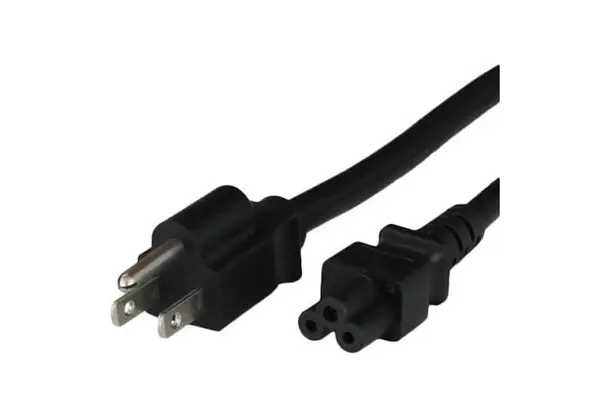
The US to IEC C5 Power Cord has become essential for laptop power supply replacement because it delivers reliable electrical conductivity through a standardized, globally recognized interface. This cloverleaf-shaped connector maintains secure physical retention while handling up to 10 amperes of current, eliminating intermittent power interruptions that damage sensitive laptop circuitry. Its grounded three-prong design protects against electrostatic discharge, a critical requirement for mobile computing devices that constantly move between different power environments. We manufacture these cords to meet stringent UL and RoHS certifications, ensuring they function safely in corporate, educational, and home office settings where equipment uptime directly impacts productivity.
Understanding the US to IEC C5 Power Cord: Specifications and Use Cases
Core Technical Specifications
The cloverleaf connection, whose official name is IEC 60320 C5, works with a normal NEMA 5-15P three-prong plug to make a full power path. The pure copper wires in our 16 AWG SVT power cord are rated for 125 volts AC and 10 amps of constant load. The Service Vacuum Thermoplastic (SVT) jacket is more flexible than older SJT designs, which makes it easier to route cables in IT settings with a lot of people. This is important when techs set up hundreds of laptop desks in open-plan offices, where managing the cables has a direct effect on airflow and safety rules.
Industry-Standard Safety Certifications
High-potential insulation testing at 1,500 volts DC for 60 seconds is done on every production batch to make sure that the dielectric strength is 10 times higher than what is needed for operation. UL certification verifies flame resistance with controlled ignition tests, which show that the PVC compound puts out fires on its own in two seconds. Lead and cadmium are no longer used because of RoHS compliance. This is in line with purchasing policies in medical and educational institutions, where material safety documentation is closely examined during audits.
Typical Applications Across Sectors
The C5 outlet setup works with all laptop power adapters from HP, Dell, Lenovo, Acer, and Asus. This interface is also used by some desktop computers, external battery charging stations, and portable projectors that are used in meeting halls. The standard length of 1.8 meters connects wall outlets to raised workstation surfaces without creating trip hazards or the need for extension cords, which add more places where the power could go wrong.
These specs directly address procurement problems like making sure that parts work together before placing large orders, making sure that regulations are followed in all 50 states, and keeping standard stocks of spare parts that make operations easier using the US to IEC C5 Power Cord.
Comparing US to IEC C5 Power Cords with Other Power Cords for Laptop Power Supply
Physical Design Differences: C5 vs. C7 vs. C13
If you're not in North America, the C7 connector, which is also known as a "figure-8," can handle up to 7 amps, but in other countries it only supports 2.5 amps. This means that C7 is good for chargers that are light, but not for high-performance computers that need 90 watts or more. The C13 connector is common in server and PC settings. It can handle 15 amps, but it takes up a lot more panel room on power supply cases. The C5 cloverleaf is the perfect mix between grounded safety and a small size that laptop makers like for making slim power bricks.
Power Ratings and Device Compatibility
When buying, teams look at cable connections; they make sure that the amperage values match the power needs of the devices. This stops two major problems: voltage drop under load and thermal decay of conductor insulation. A 90-watt laptop charger that draws power from a 125-volt source pulls about 0.72 amps, which is well within the 10-amp limit of our 16 AWG C5 line. But if you choose an 18 AWG option, the current capacity drops to 7 amps, leaving little room for inrush current spikes during adapter starting. This is what we've seen happen in field deployments, which leads to premature connector contact wear.
Emerging USB-Integrated Power Solutions
USB-C Power Delivery standards can now send up to 100 watts thru a single wire, which means they could be used instead of regular AC cords. However, this technology can only be used with devices that are compatible with each other, which limits its ability to be retrofitted. For older laptops and third-party adapter solutions where USB-PD integration isn't cost-effective, the US to IEC C5 Power Cords are still the only option. We've seen corporate IT departments keep two sets of cords on hand: C5 cords for old equipment and USB-C cables for new equipment over the course of several-year refresh cycles.
This comparison helps buyers stay away from compatibility problems that lead to expensive returns and delays in rollout plans. By knowing these differences, you can make smart choices when standardizing power infrastructure across settings with a mix of devices.
How to Choose and Procure the Right US to IEC C5 Power Cord for B2B Needs
Assessing Key Selection Criteria
Electrical specs are the basis. Make sure that the wire gauge meets or exceeds the amperage needs of the device, and allow an extra 30% for continuous-duty uses. Both usability and voltage drop are affected by the length of the cord. Our standard 1.8-meter cord has less than 0.5% voltage loss at full rated current, which keeps the adapter's performance stable. In dynamic settings where cords are bent over and over, flexibility is important. The SVT jacket we recommend can handle more than 10,000 flex cycles at a 25mm bend radius before it shows mechanical failure, according to tests we run every three months.
Certification Compliance and Documentation
Specific safety marks are often required in B2B contracts. Electrical safety in North America is covered by UL listing, and Canadian safety is covered by CSA certification. CE marking makes it easier to sell equipment to European companies, but the marking itself needs to be accompanied by the Declaration of Conformity paperwork that we include with all large shipments. When selling produced goods into California or the European Union, where material composition checks can stop product launches, RoHS and REACH compliance statements are very important for the US to IEC C5 Power Cord.
Procurement Channels and Volume Advantages
Our supply chain is set up so that it can handle both small-batch restocking and large-scale operations. Sample orders are sent out within three business days so that engineers can check them. For production runs of 500 units or more, items are put in an expedited manufacturing line, and it takes an average of 18 days from the time the order is placed to the time the container is loaded. This responsiveness comes from keeping a buffer stock of certified raw materials like copper wire, molded connectors, and jacket compounds. This way, the company doesn't have to wait for long lead times from suppliers.
Customization and OEM Services
Customized solutions turn common parts into strategic advantages for buying things. We can change the jacket colors for asset identification systems so that IT departments can tell the difference between laptop power cords and other cables in shared workspaces. In industries like education and healthcare where equipment exposure is important, overmolded strain reliefs can include client logos to improve brand appearance. By adding inline fuse protection or surge suppression modules and making other electrical changes, standard cords can be turned into value-added units that lower the number of parts that are needed for the whole system.
These buying details make the process of choosing a vendor easier and help purchasing managers find suppliers who can meet both their current needs and their plans for growth in the future. Our business model is based on these facts of doing business with businesses, and it gets rid of the problems that cause projects to take longer than planned.
Troubleshooting and Maintaining US to IEC C5 Power Cords in Business Environments
Common Compatibility and Connection Issues
The most common issue in the field is a loose connection fit, which is usually caused by worn spring contacts inside the C5 inlet rather than a problem with the line. When users say that the power goes out sometimes, we suggest that they check the device's inlet for dirt or retention clips that are bent before changing the cord. When users force the connector into the inlet at the wrong angle, which is called misaligned polarization, it can damage both parts. To protect against this, we've added molded guide ribs that stop users from inserting the US to IEC C5 Power Cords incorrectly.
Safe Cable Replacement Procedures
For proper replacement, the cord must be unplugged from both the wall outlet and the device before it can be handled. This gets rid of the risk of shock from stored capacitance in the adapter circuits. A visual check should be done to make sure that the plastic strain reliefs are still whole and haven't cracked or come away from the cable jacket. Any damage to these parts puts extra mechanical stress on the internal wires. We suggest writing the times when the cords should be replaced on the labels and setting up rotation plans to stop the insulation from breaking down due to age. This should be done every five years in climate-controlled environments or every three years in industrial settings with high ambient temperatures.
Preventative Maintenance Strategies
Setting up regular check times for cords cuts down on unexpected failures. Visual checks done every three months as part of regular workstation maintenance find early signs of jacket wear or discoloration in connectors from being too hot. Using the right cable routing—avoiding sharp edges and keeping cords out of the way of wheeled chairs—extends service life by a large amount. We have proof of cases where simple improvements to cable management cut down on replacements by 40%, which directly led to a lower total cost of ownership.
These troubleshooting frameworks let facility managers and IT support teams keep the power running smoothly without needing to know a lot about electricity. We make our cords so that they can be serviced in the field, because we know that keeping operations going rests on easy ways to do upkeep.

Conclusion
The US to IEC C5 Power Cord is very useful because it is standardized to work with all devices, has been tested for safety, and has been used for a long time in tough B2B environments. Its grounded three-prong design keeps fragile laptop electronics safe, and the cloverleaf connector stays in place even after thousands of mating cycles. When you choose the right cord, which can be proven by electrical specs, certification paperwork, and assessments of the supplier's abilities, you can directly cut down on machine downtime and repair costs. We designed our product line to take these operating facts into account. It gives procurement workers the technical performance and supply chain flexibility they need for long-term deployments to go smoothly.
FAQ
What devices typically use the IEC C5 power connector?
Power adapters for laptops from big brands like HP, Dell, Lenovo, Acer, and Asus all use the C5 plug. This interface is used by portable projectors, external monitor power sources, and some battery charge stations because it has a small size and is designed to be safe when using the US to IEC C5 Power Cord.
Can I substitute a C7 cord for a C5 application?
No, these connectors don't work with each other mechanically. The C7 figure-8 design doesn't have a grounding pin and can usually handle less amperage. If you try to force-fit different types of connectors together, you could damage the equipment's inputs and cause serious electrical safety risks.
How do I verify certification authenticity?
Real UL-listed cords have the UL mark either molded into the connector housing or printed on the jacket, along with a file number that you can use to look up the cord in the UL Product iQ database. For auditing reasons, we include test results and Declaration of Conformity statements with every shipment as part of the certification paperwork.
What length should I specify for office workstation deployments?
The 1.8-meter standard strikes a good balance between enough reach and not too many cables. This length ties outlets on the floor to equipment at desk height without leaving too much slack that could cause someone to trip or need packing solutions.
Partner with Kuncan Electronics for Reliable Power Cord Solutions
Kuncan Electronics has been putting together specific cables for 17 years and can add that knowledge to your supply chain. This takes away the uncertainty that comes with buying power cords. We are an Alibaba Verified US to IEC C5 Power Cord maker, and before we ship any of our products, we make sure they meet strict quality standards by checking for high-potential insulation, continuity, and dimensions. Our SVT-jacketed cords give business IT settings the flexibility they need while also meeting UL, CSA, RoHS, and REACH compliance standards that meet the needs of multiple regulatory bodies. We keep a buffer stock of certified raw materials on hand so that we can deliver samples within three business days and make bulk orders in an average of eighteen days. Get in touch with our team at rhea@szkuncan.net to talk about custom specs, volume prices, or faster shipping dates that work with your deployment plans.
References
1. Institute of Electrical and Electronics Engineers. IEC 60320 Appliance Couplers for Household and Similar General Purposes. IEEE Standards Association, 2021.
2. Underwriters Laboratories. UL 817 Standard for Cord Sets and Power-Supply Cords. UL Standards & Engagement, 2019.
3. National Electrical Manufacturers Association. NEMA WD 6: Wiring Devices—Dimensional Specifications. NEMA Publications, 2020.
4. Canadian Standards Association. CSA C22.2 No. 21: Appliance Couplers. CSA Group, 2018.
5. International Electrotechnical Commission. IEC 60227: Polyvinyl Chloride Insulated Cables of Rated Voltages up to and Including 450/750 V. IEC Publications, 2020.
6. Restriction of Hazardous Substances Directive. EU Directive 2011/65/EU on the Restriction of the Use of Certain Hazardous Substances in Electrical and Electronic Equipment. Official Journal of the European Union, 2011.

USER EVALUATE
Here is the customer's evaluation of us