
Understanding IEC Kettle Cord Standards
It's not enough to just follow IEC kettle cord standards when buying power cables for electric products; you need to know them to protect your business, your customers, and your bottom line. These special power cords safely connect electric kettles and other cooking devices to mains power. They are made to handle high temperatures and heavy current loads. Unlike generic power cords, a properly defined kettle cord meets strict international standards that control everything from the size of the conductors to the thickness of the insulation. This makes sure that the cord works reliably in all voltage systems around the world. When you know how to use these standards, buying stops being a chore and turns into a strategic advantage that lowers warranty claims and makes partnerships with suppliers stronger.
Overview of IEC Kettle Cord Standards
What Makes IEC Kettle Cords Unique?
The word "kettle cord" refers to detachable power supply cords made for appliances that produce a lot of heat while they are running. These wires are put under special loads because they are close to steam or moisture and are exposed to high temperatures for long periods of time. IEC (International Electrotechnical Commission) frameworks solve these problems by requiring specific materials and testing methods for performance that normal extension lines can't match.
Core IEC Standards Governing Kettle Cords
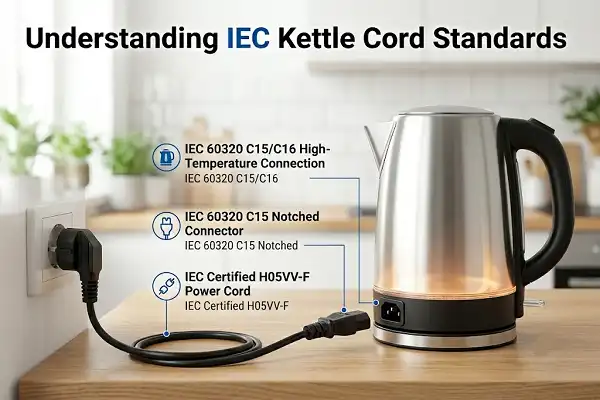
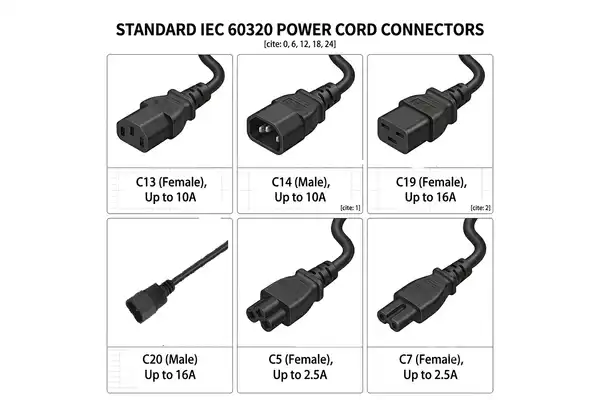
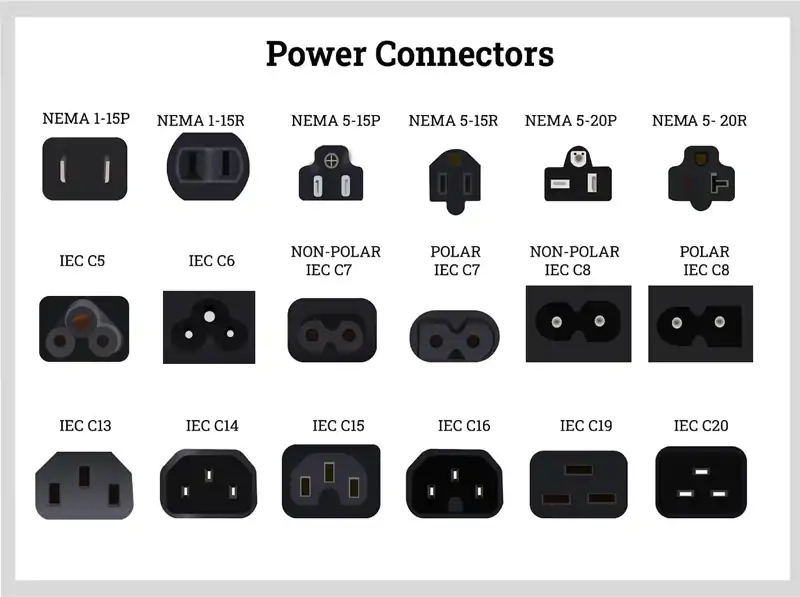
The technical world is shaped by two main standards. IEC 60227 describes how PVC-insulated wires should be built, including how resistant the conductors should be to electricity and how thick the insulation should be. IEC 60320, on the other hand, sets the mechanical and electrical properties of appliance couplers, which are the connections on both ends of the wire. The C15/C16 connection system in IEC 60320 is designed for high-temperature uses and has a notched shape that keeps it from accidentally connecting with lower-rated C13 connectors. This keying system is an important safety feature in places where the temperature is higher than 70°C.
Why Standards Matter for B2B Procurement?
Following these guidelines has real benefits for businesses. In key markets like North America, Europe, and the Asia-Pacific region, goods that are certified get governmental approval faster. This compliance cuts down on delays at customs and gets rid of the need for expensive remake processes when entering new countries. When you're evaluating a provider, making sure they meet IEC standards saves your business from risk. One thermal failure can cause thousands of units to be recalled. Standardized specs make technical conversations easier and make sure that quality is the same across production runs, which is good for procurement teams that work with OEM partners.
Key Specifications and Types of IEC Kettle Cords
By knowing the technical details that make different cable setups unique, buyers can find goods that are perfect for their needs. The following specs have a direct effect on safety gaps, operating lifespan, and the total cost of ownership.
Voltage Ratings and Wire Gauge Considerations
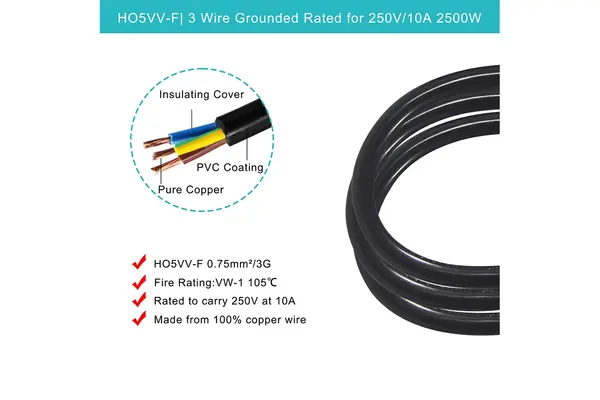
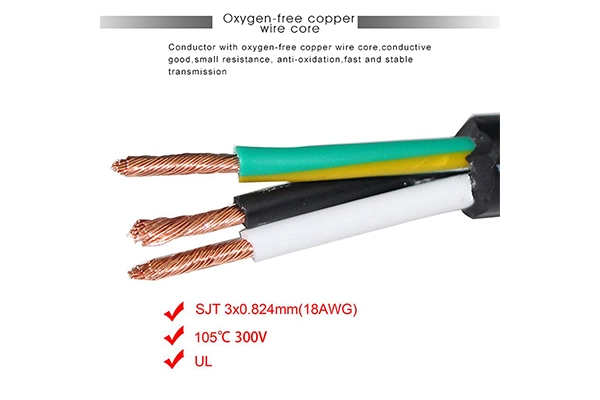
For foreign markets, most kettle cords work between 220 and 240V AC. In North America, however, they are usually used with 125V systems. Current-carrying ability is based on wire gauge, which is measured in American Wire Gauge (AWG). Heavy-duty 14AWG conductors can safely handle 15-amp loads without dropping the voltage or getting too hot. This means they can be used for business kettles and other high-wattage machines. Standard 16AWG designs work for home appliances that draw 10 to 13 amps, while smaller 18AWG configurations are fine for devices that draw less than 7 amps. If you choose the wrong wire size, you could start a fire or cause the insulation to break down too soon under long-term loads.
Detachable Versus Fixed Cord Assemblies
Designs that are detachable and use IEC 60320 connectors for kettle cord make maintenance easier because broken wires can be changed without having to throw away the whole device. This modularity is useful in business settings where downtime of tools has a direct effect on income. Fixed cords, which are permanently connected during production, lower the cost of the original parts and get rid of connection spots that could come loose over time. Here, choices about what to buy are based on how much money can be saved up front, how long the item will last, and what the customer expects in terms of repairability.
Insulation Material Comparisons
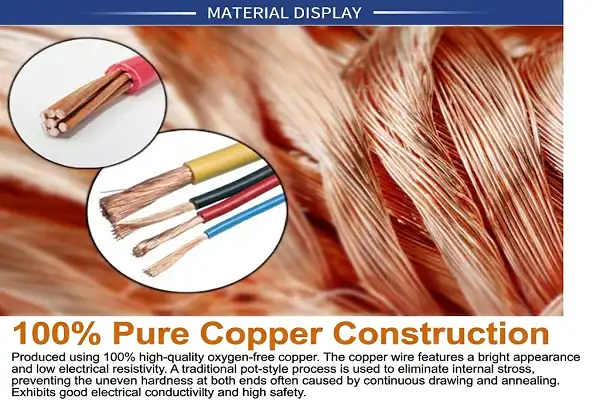
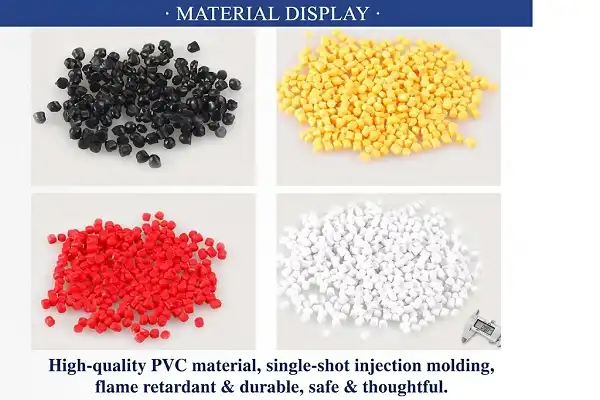
Polyvinyl chloride (PVC) insulation is the most popular type because it is cheap and works well in most situations. It has a strong electrical strength and can stand up to oils and chemicals that are common in kitchens. Rubber padding is more flexible in cold weather and more resistant to wear and tear, but it costs more to make. In some specific situations, wires need to be insulated with silicone rubber so they can be exposed to temperatures above 105°C for a long time. Choosing the right material has a direct effect on how long a cable will last in certain environments. Making the right choice saves field breakdowns.
Customization and Length Options
For market goods, standard lengths are between 1 and 3 meters. For industrial uses, however, special runs of 25 feet or more may be needed. Kuncan Electronics makes wires in a range of lengths, from 1ft to 25ft, including 3, 6, 10, 15, and 25ft. This means that they can be used in a variety of installation situations. Custom jacket colors like black, red, blue, yellow, and green help cable management systems work in places like data centers and factories where different circuit types or voltage classes are marked with different colors. This way of organizing things cuts down on installation mistakes and makes upkeep fixing easier.
High-Temperature Applications Requiring C15 Connectors
Why Standard C13 Cords Fall Short
The standard IEC C13/C14 connection systems can handle temperatures up to 70°C, which is fine for computers and other gadgets. Standard materials soften and deform when temps rise above this point due to ambient factors or device heat. Connector housings become less stable in their shape, which leads to loose connections that cause resistance heating. This creates a dangerous feedback loop that can melt things and even start fires.
The C15/C16 Solution
The C15 connection has a unique notch that makes it easy to spot. It is made of thermoplastic materials that can withstand constant 120°C operation. This 50-degree margin stops the failure types that happen a lot in normal designs. Our NEMA 5-15P to IEC C15 power lines have precision-molded connections and heat-resistant PVC insulation that make these features possible. The notched shape literally stops insertion into C14 inlets, so you don't have to worry About Using wires that aren't rated for high temperatures in high-temperature equipment.
Real-World Applications Demanding Thermal Performance
When there are problems with the cooling system, wires in enterprise server rooms with hot-aisle containment systems need to be able to keep their purity. When poe (Power over Ethernet) switches and other network equipment are stacked in a rack, they create a lot of heat. Cables that won't break down after thousands of heating rounds are needed for industrial warming equipment, business cooking appliances, and lab autoclaves. Medical cleaning and desktop distillation units need power that works reliably at high temperatures, where regular cords would break in months.
Kuncan Electronics' C15-rated kettle cord wires can handle these tough conditions because they are made with precision and carefully chosen materials. Each unit goes through thermal cycle validation, which means that the assemblies are put through repeated temperature changes that are meant to mimic years of working stress. This testing finds any possible flaws in the goods before they get to customers. This makes sure that all production batches work the same.
Troubleshooting, Repair, and Maintenance of IEC Kettle Cords
Common Issues and Root Causes
Overheating usually happens because the wire gauge is too small for the load it's attached to, the connections at the ends are too loose, or the insulation has worn down from being exposed to temperatures above the cable's limit for a long time. Damage to the kettle cord, like cuts in the jacket, crushed wires, or cracked connection housings, can happen because the cable is not routed properly, there are pinch points in the equipment installation, or the cable is handled roughly. These situations make shock and fire risks that need to be fixed right away.
When to Repair Versus Replace
Heat-shrink tubing or electrical tape can sometimes be used as temporary fixes for small jacket abrasions that don't reveal wires. But if the damage goes all the way to the wire level, it needs to be replaced right away. If the housing is still there, loose connector connections can be reseated. However, this fix should only be done by trained professionals with the right crimping tools. Since the cost of replacement is lower than the risk of exposure, we usually suggest replacement over fix. This is especially true for business settings where equipment safety certifications are at risk.
Preventive Maintenance Best Practices
Visual checks done on a regular basis can find problems early on, before they get worse. Check for discoloration around the sockets that could mean the wires are too hot, insulation that is losing its flexibility that could mean the insulation is damaged by heat, and any physical deformation of the plug blades or outlet contacts. Make sure that the voltage levels fit the job; using 125V cords on 240V systems will fail right away. Do not run wires near moving parts or sharp edges that can damage them. Set up regular replacement times for high-duty uses based on what the maker suggests and what you've learned from using the system.
Selecting the Right IEC Kettle Cord: A Procurement Guide
Matching Specifications to Application Needs
Make a list of the voltage, current, and temperature range that the goal equipment needs before you start. Compare these factors to the ratings of the cables to make sure there are enough safety gaps. For example, a 15A-rated cable for a 12A appliance protects against starting surges. Think about where the work will happen: will the wires be exposed to water, chemicals, or UV light, which would require special jacket materials? Write down the certifications that your target markets need, such as UL/cUL for North America, VDE for Europe, and BS for the UK.
Safety Certifications That Matter
Independent tests by UL (Underwriters Laboratories) and cUL (Canadian UL) make sure that products meet North American safety guidelines. VDE approval shows that the product meets European low-voltage guidelines. RoHS compliance makes sure that banned chemicals don't get to levels that are higher than what is allowed, which is needed to get into the EU market. Chemical safety for sale in the European Economic Area is taken care of by REACH registration. Products with these marks have been through a lot of tests, such as glow-wire flammability tests, voltage withstand proof, and measures of connector retention force.
OEM Partnership Versus Universal Solutions
OEM (Original Equipment Manufacturer) partnerships for kettle cord get you cords that are designed to work with your line of products. They come in custom lengths, with unique connectors, and with your name printed on the jacket. This method makes sure that everything works together perfectly and strengthens the brand's personality by making sure that everything looks the same. Universal connections work with a wider range of device types, which makes SKUs less complicated and lowers the cost of keeping inventory. The choice relies on how the product is positioned—high-end appliances benefit from custom solutions, while lines that focus on value use global compatibility.
Bulk Purchasing and Quality Assurance
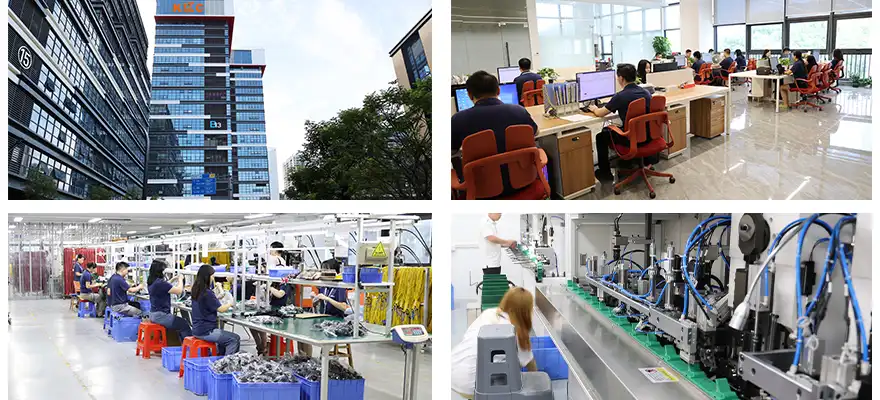
By committing to a certain amount of goods, you can get better prices and more flexible schedules for production. But strong quality control systems are needed for big buying to work well. We use a three-step inspection process: inbound material inspection (IQC) checks the quality of the raw materials, in-process quality control (IPQC) checks the parameters of the manufacturing process, and outgoing quality control (OQC) checks the finished parts. Before it is shipped, every wire is checked for 100% polarity and high-voltage durability. Our full 1-year guarantee covers problems caused by poor production, giving you options if problems arise in the field.
Future Trends and Innovations in IEC Kettle Cords
Advanced Materials Enhancing Safety
New fire-retardant chemicals are more resistant to fire than older ones because they contain halogen-free formulas that burn with less harmful smoke. These materials meet the needs of stricter building codes and environmental rules while also making people safer during fires. Cables can now be used in outdoor and high-humidity settings thanks to better waterproofing technologies like double-sealed connectors and covers that don't let water in.
Smart Integration and Energy Efficiency
New designs include features for measuring current and temperature, which lets machines find damaged kettle cords before they break. Energy management systems that lower standby power use and improve charge cycles are made possible by smart switches built into connection housings. These features are in line with global sustainability efforts that push procurement standards toward goods that show real environmental benefits.
Regulatory Landscape Evolution
International standard-setting groups keep putting more restrictions on how long materials can last and how they can be recycled at the end of their useful lives. Extended Producer Responsibility (EPR) laws in many places put the cost of disposal on producers. This encourages designs that use recyclable materials and flexible building. Along with standard performance measures, procurement strategies are looking more closely at suppliers' environmental management systems and how open they are about where their materials come from when choosing who to work with.
Design Adaptations for Next-Generation Appliances
Small, powerful devices need wires that can carry more current through a smaller cross-section. This requires new types of conductor materials and shielding engineering. Some consumer goods may not need as many cables if they can charge wirelessly, but business and industrial uses will still need wired power transfer for dependability and efficiency. Another area of development that aims to lower upkeep costs is modular connection systems that can be reconfigured in the field without the need for special tools.
Conclusion
Learning the IEC kettle cord standards turns buying from a transactional task into a strategy skill that lowers risk, makes sure regulations are followed, and improves relationships with suppliers. The technical requirements for wire gauge, insulation materials, and connection grades have a direct effect on the safety of the product and its useful life. When you choose the right cables, you can avoid problems in the field, cut down on warranty claims, and protect your brand's image in places around the world. The fact that we looked into high-temperature C15 options shows that custom designs can handle tough tasks that regular cables can't. As rules change and pressures to be more environmentally friendly grow, procurement workers who know about these standards can give their companies a competitive edge by choosing the right suppliers and managing specifications in a proactive way.
FAQ
What distinguishes IEC kettle cords from standard power cords?
Standard power cords are good for general-purpose uses that don't need a lot of current or temperature. When used in high-heat areas, kettle cords are designed to handle it with stronger insulation, higher-temperature-rated connections like C15/C16 systems, and conductors that are the right size for long-term high-amperage loads. The IEC 60320 framework sets the mechanical and electrical standards that make sure these connections can handle the heat that would break down regular designs.
How can I verify IEC compliance when evaluating suppliers?
Ask for copies of certification papers from well-known testing labs like UL, VDE, BSI, or others that are similar. Real certificates have specific model numbers, times of existence, and references to testing standards. Certification marks should be molded into connection housings or written on cable jackets when the cables are inspected physically. Independent testing labs that do third-party proof add another layer of security to large purchases.
When should I replace rather than repair a damaged cable?
If the wires are showing, the connectors are melting or breaking, or the insulation is getting charred or losing its flexibility, you should replace it right away. Because of the small cost of replacement and the risk of liability, repair is not economically viable unless it is for specialized high-value projects where trained electrical engineers can properly evaluate and record repairs.
Partner with Kuncan Electronics for Certified Power Solutions
Kuncan Electronics has been making electronics for 17 years and can help you find the right kettle cord. They offer UL/cUL-listed wires that are designed to work in tough situations. Our high-temperature C15 connector assemblies can work continuously at 120°C, which keeps them from breaking in places where standard wires wouldn't work, like server rooms, industrial equipment, and business tools. We offer flexible OEM/ODM services that include custom jacket printing, custom packing, and custom conductor configurations. These services can be used for both small-batch testing and high-volume production runs. Before it is sent out, every wire goes through a full set of IQC, IPQC, and OQC tests, including 100% orientation and high-voltage checks. If you're a kettle cord maker looking for trusted supply chain partners or a procurement manager needing approved assemblies to be sent all over the world, our ISO-certified facilities in Dongguan will meet your needs and get the job done on time. Get in touch with rhea@szkuncan.net for full specifications, sample evaluations, or price talks about large orders. We'll help you find the best answer for your needs.
References
International Electrotechnical Commission. (2020). IEC 60320-1: Appliance Couplers for Household and Similar General Purposes - Part 1: General Requirements. Geneva: IEC Publications.
Underwriters Laboratories. (2019). UL 817: Standard for Safety Cord Sets and Power-Supply Cords. Northbrook: UL Standards & Engagement.
Chen, W., & Martinez, R. (2021). Thermal Management in High-Density Power Distribution Systems. IEEE Transactions on Components, Packaging and Manufacturing Technology, 11(8), 1342-1355.
European Committee for Electrotechnical Standardization. (2018). EN 60227-1: Polyvinyl Chloride Insulated Cables of Rated Voltages up to and Including 450/750 V. Brussels: CENELEC.
National Electrical Manufacturers Association. (2022). NEMA WC 70: Power Cables Rated 2000 Volts or Less for the Distribution of Electrical Energy. Rosslyn: NEMA Publications.
British Standards Institution. (2017). BS 1363-1: 13 A Plugs, Socket-Outlets, Adaptors and Connection Units - Specification for Rewirable and Non-rewirable 13 A Fused Plugs. London: BSI Standards Limited.

USER EVALUATE
Here is the customer's evaluation of us
_1779784337428.webp)