


Hospital Grade C13 Power Cords for Medical Devices
A solid c13 cable power is a must when it comes to powering important medical tools. Hospital grade c13 cable power are made to meet the high standards for safety and performance that are needed in healthcare settings. Unlike regular power cables, these special cords have better insulation, better grounding, and approved construction that reduces electrical dangers. We at Kuncan Electronics know that medical facilities need to be able to keep running without interruptions. That's why our IEC-certified hospital grade power cords have precise leakage current control below 100µA, Class II insulation, and multi-layer safety protection. This way, your medical devices will work reliably when lives depend on them.
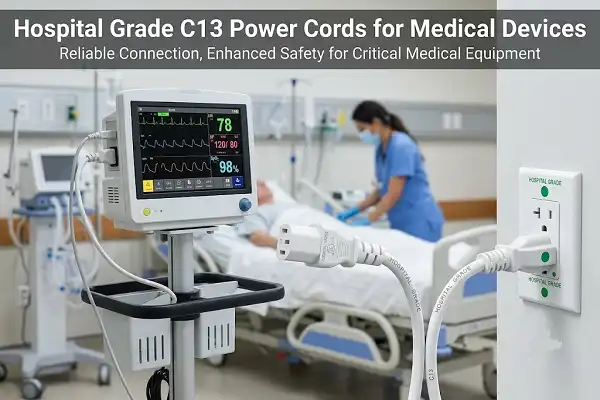
Understanding Hospital Grade C13 Power Cords
What Makes Hospital Grade Power Cords Different?
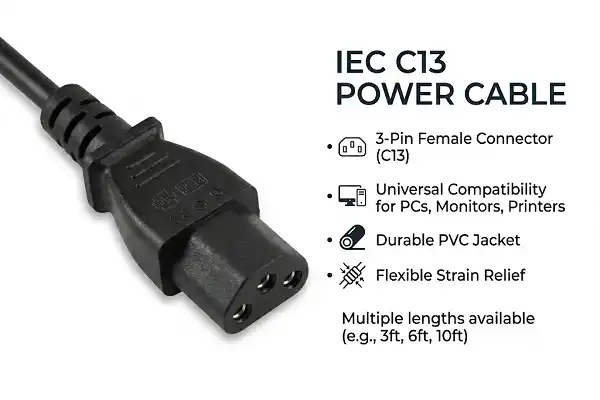
Hospital grade c13 cable power are a special type of electrical connector that is made to be used in hospital settings. The normal IEC 60320 C13 connector design is used on these cords, but they are tested to be better than usual using strict procedures. The building has thicker layers of insulation, stronger strain relief at connection points, and materials that can stand up to hospital cleaning products and sterilizing processes. To get the "hospital grade" label, something has to meet the requirements of UL 817 and CSA C22.2 No. 21. These standards require better grounding continuity, impact strength, and clear marks for identification. This level of engineering makes sure that every c13 cable power works the same way in hospital settings, which are very demanding.
Technical Specifications That Matter
Hospital grade c13 cable power have electrical properties that are carefully calibrated to work with medical devices. Depending on the wire size, these lines can handle voltages of up to 250V AC and current loads of 10A to 15A. The conductor material, which is usually tinned copper, is very good at conducting electricity and doesn't rust. When making cables, tight bend radius rules are followed to keep the inside wires from getting damaged during installation and normal use. Temperature rates usually range from -40°C to +85°C, which covers a wide range of hospital settings, from temperature-controlled operating rooms to emergency transport cars. By knowing these specs, buying teams can better match the power cord's features to the needs of specific medical equipment. This keeps compatibility problems that could put patient safety at risk to a minimum.
Compliance and Certification Standards
Hospital grade power cords have certification marks that show they meet safety standards. UL 62 approval covers special needs for medical equipment, such as tests for leakage current, dielectric strength, and mechanical durability. As a result of IEC 60320, all connectors around the world can communicate with each other. Other approvals, such as ETL, CSA, and VDE, show that the product meets North American and European safety standards. For these certificates to be valid, the factories must regularly undergo quality checks and reviews. This makes sure that the quality of the manufacturing processes stays high. Kuncan Electronics has all of these important licenses for all of our medical products. We also have 17 years of experience in the field and are a verified seller on major B2B platforms.
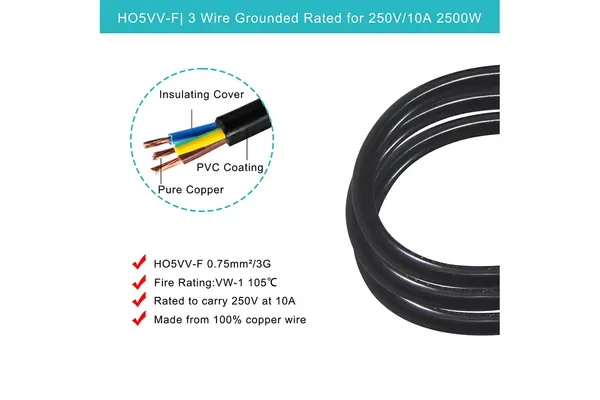
Why Choose Hospital Grade C13 Power Cords for Medical Equipment?
Enhanced Safety Features That Protect Patients
When making hospital-grade power cords, every design choice is based on patient safety. Better grounding systems give fault currents two ways to flow, which lowers the risk of shock if the insulator breaks. In hospital grade cords, the green grounded wire has to be able to take a 12-pound pull test without coming loose. This is three times the requirement for regular cords. Even after multiple rounds of sterilization in an autoclave or with chemicals, reinforced connection housings don't crack or deform. When operating life-support systems, diagnostic imaging systems, and patient tracking devices—anything that could go wrong with the electricity could have serious medical effects right away—these safety margins are very important. When you buy certified hospital grade c13 cable power, you lower your risk of liability and improve patient results.
Durability in Demanding Healthcare Environments
Power cords in healthcare buildings are put through situations that would quickly damage regular c13 cable power. Medical-grade PVC or thermoplastic elastomer jackets are used on hospital-grade versions. These coats protect against wear and tear from equipment carts, cleaning chemicals, and UV rays from germicidal lighting. The connectors have holding force specs that keep them from disconnecting by mistake, which can happen with standard C13 plugs that get loose over time. Strain relief devices spread mechanical stress over larger surface areas, which keeps the wire from breaking at the connector joint. This strong construction makes the service life much longer, which lowers the total cost of ownership even though it costs more to buy at first. Kuncan Electronics makes sure that our medical-grade wires can handle these problems by using materials that can be sterilized over and over again without breaking down.
Regulatory Compliance and Risk Mitigation
Healthcare centers are closely watched by government agencies such as The Joint Commission, the Food and Drug Administration (FDA), and local health offices. If you use non-compliant power cords, you could get a ticket during checks, have your tools taken away, or even worse, be held responsible for bad things that happen. A hospital grade license shows that the equipment was chosen and maintained with care. When medical equipment is covered by insurance, approved parts are often required. This means that hospital grade power lines are a must, not a choice. Documents used for purchases must have certification numbers, test records, and statements of conformity from the maker. With every package, we include full compliance paperwork, such as certificates for ETL, BS, VDE, SAA, CE, and RoHS. This makes it easier for your facility to prepare for audits and meet regulatory reporting requirements.
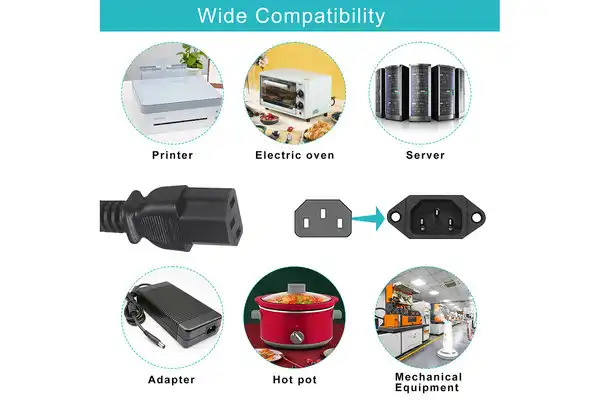
How to Select the Best Hospital Grade C13 Power Cord for Medical Devices?
Matching Electrical Specifications to Device Requirements
Before you can choose the right power lines, you need to know what kind of electricity your medical device needs. Voltage, current, and frequency information can be found on the equipment's label. The c13 cable power needs to be able to handle the highest current draw plus a safety margin that is usually 125% of the total load. The diameter of the wire directly affects how much power it can carry. 18 AWG can handle up to 10A, 16 AWG can handle 13A, and 14 AWG can handle 15A. For longer wire runs, voltage drop estimates are important because too much resistance can make equipment stop working. The length of the cable should be just right for the fitting, with no extra that could cause tripping or sticking problems. We offer custom wire lengths and gauges that are made to fit your equipment perfectly. This way, you don't have to settle for off-the-shelf solutions that don't quite work for your needs.
Evaluating Connector Quality and Compatibility
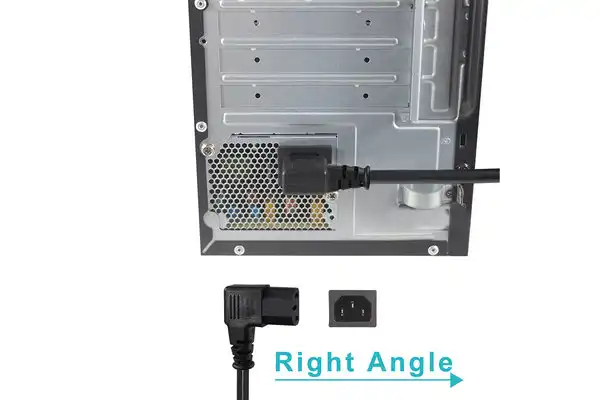
There are different kinds of C13 connections. Brass or copper contact pins that have been plated with nickel or gold make sure that the links are low resistance and won't oxidize. The connecting shell needs to fit tightly onto the C14 opening on your medical device so that it stays in place mechanically and keeps out the environment. Some medical equipment has locked or locking connectors that keep people from accidentally disconnecting them or cutting the power off without permission. Pay attention to how the connection is oriented and how the strain relief is made. Straight connectors work best in open installations, while right-angle connectors work better in tight areas. The normal C13 can only handle temperatures up to 70°C, but the C15 high-temperature connection can handle equipment that makes a lot of heat at 120°C. By knowing these differences, you can avoid compatibility problems that could slow down the rollout of tools or put people in danger.
Supplier Credentials and Documentation Requirements
Picking the right vendor for c13 cable power is just as important as choosing the right goods. Authorized wholesalers and direct producers, such as Kuncan Electronics, sell real goods that can be tracked all the way back to the maker. Check the supplier's qualifications, such as their business license, factory certificates, and proof of their quality management system. Before committing to buy, ask for copies of the certificates for all the safety standards that matter. Sample testing lets you make sure that goods meet your needs and work well with your tools. The warranty terms should make it clear how long the service lasts, what causes failure, and how to get a replacement. As part of our dedication, we offer a full 1-year guarantee against production flaws, along with quick and easy replacement or repair processes that cause you as little downtime as possible. Having stable supply chains is important for healthcare facilities, and building relationships with approved providers does just that.
Procuring Hospital Grade C13 Power Cords: Best Practices and Supplier Selection
Establishing Procurement Criteria That Ensure Quality
For buying programs to work, they need to set clear requirements that suppliers must meet. In addition to basic electrical grades, your needs should include physical traits such as the cable's flexibility, the smallest possible bend radius, and the choice of jacket colors. Temperature ratings need to match the location where they will be used. Standard ratings are fine for climate-controlled areas, but moving equipment needs longer ranges. Specifications for chemical protection are important in places where harsh cleaning agents are used. Some of the tests that might be needed are checking the high-pot dielectric strength, measuring the ground continuity, and doing mechanical pull tests. Include these factors in request-for-quote packages to make sure that bids know what is expected of them. Kuncan Electronics is happy to answer thorough questions about specifications and offers engineering support to help customers come up with standards that meet both performance and cost concerns.
Building Strategic Supplier Relationships
Long-term relationships with suppliers are more valuable than single deals. Preferred sellers get to know your facility's needs very well, plan for changes to equipment, and keep extra supplies on hand in case of a disaster. Making a promise to buy in bulk can often get you better prices and customization options that casual buyers can't get. Problems are quickly fixed before they affect operations through regular lines of contact, such as direct access to the engineering and quality assurance teams. Supplier scorecards that keep track of things like on-time delivery, quality measures, and response help keep people responsible. Kuncan Electronics puts more emphasis on building partnerships than making sales. Our account managers are dedicated to helping the long-term success of your facility through quick service and ongoing efforts to make things better.
Customization Options That Add Value
Standard store items for c13 cable power don't always work perfectly for every use. Customization services take common parts and turn them into solutions that work best for you. Changing the length of cables gets rid of waste and makes equipment setups less cluttered. Facility coding systems for different areas or power levels can use custom jacket colors. Changes to connectors could include locking systems, right-angle orientations, or surge safety built right in. Custom labels with equipment names, department names, or inspection dates make managing assets easier. There are different types of packaging, from single boxes for sale to big spools for large setups. We offer flexible OEM and ODM services, such as matching colors, making custom packages, changing interfaces, adding surge protection, and printing logos. These services can turn your needs into customized products that are given quickly thanks to our streamlined manufacturing processes.

Maintenance and Safety Tips for Hospital Grade C13 Power Cords in Medical Facilities
Implementing Regular Inspection Protocols
Failures are stopped before they affect how the equipment works by proactive inspection programs. Regular upkeep on biomedical equipment should include visual checks for damaged jackets, exposed wires, deformed connections, or burn marks that show the equipment has been overheated. Connector pins need to be checked for rust, pitting, or staining that could mean they don't make good contact. Cable bending testing finds breaks in the internal conductors; stiff parts show broken wires even if the insulation on the outside looks fine. Testing for ground continuity makes sure that the grounding wire keeps its resistance at less than 0.1 ohm, which meets hospital grade standards. For regulatory compliance, documentation systems should keep track of inspection dates, results, and corrective steps. Facilities that use quarterly inspection rounds report a lot fewer power-related machine breakdowns than those that use reactive maintenance methods.
Proper Handling and Storage Practices
How employees handle power lines has a direct effect on how long they last. When you are training, you are taught to separate by gripping the connection body instead of pulling on the wire, which puts stress on the conductor terminations. Avoiding too much turning keeps the conductors from wearing out. Hospital grade wires can handle tighter bends than regular cords, but they still have minimum radius limits. When wires are stored, they should be wound up lightly instead of tightly, which can cause lasting deformation. The environment is important. Storage places should keep temperatures reasonable and stay out of direct sunshine, which breaks down insulation over time. Keeping power lines away from sharp tools and chemical storage stops damage from happening by mistake. These tips may seem simple, but they can greatly increase the life of equipment if they are used regularly across all facility activities.
Strategic Replacement Planning
Even high-end power lines made for hospitals need to be replaced at some point. Setting standards for replacement stops people from using old technology. Damage that can be seen, like cuts, scrapes that reveal wires, or missing grounding pins, requires replacing right away. If electrical tests show problems, like too much ground resistance or insulation breakdown, the equipment must be taken out of service. Age-based replacement plans add extra safety gaps, and many sites set maximum work lives of 5 years, no matter what state they are in. Keeping enough goods on hand makes sure that backups are ready when they're needed, without having to wait for emergency purchases to be made. Bulk buying plans with companies like Kuncan Electronics save money and make sure that products are always available. Our ordering policies are very open, so you can place large orders or small ones to restock. There are no minimum order quantities, which makes it easier to keep track of your goods.
Conclusion
Hospital grade c13 cable power are important parts of the infrastructure that have a direct effect on the safety of patients and the dependability of medical equipment. Power cord management works best when you choose certified goods from reputable makers, follow strict upkeep rules, and build strategic relationships with suppliers. Hospital-grade wires are more expensive, but they are worth it because they last longer and don't break as often because they have better materials, better grounding, and more thorough testing. Kuncan Electronics has been working with medical-grade power solutions for 17 years, making us your best choice for these important parts. We offer approved quality and full support services.
FAQ
What distinguishes hospital grade from standard C13 power cords?
Hospital grade c13 cable power meet higher safety standards like UL 817 and CSA C22.2 No. 21. They have better grounding systems, stronger connections, and materials that don't get damaged by hospital cleaners. Standard lines can only handle pull tests of 4 pounds, but the grounding conductor has to handle 12 pounds. These wires also go through strict tests to make sure they have the right dielectric strength and meet the lower leakage current requirements needed for medical equipment that comes into touch with patients.
Can standard C13 cables be used in medical applications?
The standard C13 cords don't have the safety measures and certifications that are needed in hospitals. Using cables that aren't approved may directly connect to medical equipment, but doing so is against the law, puts you at risk of liability, and could put patient safety at risk. Power cord compliance is specifically checked during hospital checks and accreditation reviews. This means that approved hospital grade goods are required rather than optional.
How do I verify hospital grade certification?
Power cords that are really hospital grade have clear signs like "Hospital Grade" writing, UL or ETL certification marks, and standard references like UL 817. The green grounding plug has a unique design that can be seen when it is inspected. Ask sellers for certification paperwork that includes test results and statements of compliance. Kuncan Electronics includes full certification packages with every shipment of medical products to make sure that everything is clear and can be tracked.

Partner with Kuncan Electronics for Certified Medical Power Solutions
Only approved hospital grade c13 cable power can give your medical facility the dependability and safety it needs. The experts at Kuncan Electronics have been making medical-grade power tools that meet the highest worldwide standards for 17 years. Our IEC-certified goods have leakage current control below 100µA, multi-layer safety protection, and can be used with medical sterilization processes. They also have other certifications from ETL, VDE, CE, and RoHS to back them up. As a trusted c13 cable power manufacturer that has been verified by Alibaba, we offer a wide range of customization choices, quick sample response times of 3–7 business days, and competitive bulk prices with no minimum order requirements.
Whether you're planning to build new facilities or upgrade current equipment, our engineering team is ready to come up with custom solutions that meet all of your needs. Get in touch with rhea@szkuncan.net right away to talk about your medical power cord needs and find out how our precision-engineered goods improve patient safety and make the buying process easier. Let us add to the skills of your team by giving them reliable goods and quick service that keep life-saving medical devices working.
References
National Fire Protection Association. (2020). NFPA 99: Health Care Facilities Code. Quincy, MA: NFPA Publications.
Underwriters Laboratories. (2019). UL 817: Standard for Cord Sets and Power-Supply Cords. Northbrook, IL: UL Standards.
International Electrotechnical Commission. (2018). IEC 60320: Appliance Couplers for Household and Similar General Purposes. Geneva, Switzerland: IEC Publications.
Association for the Advancement of Medical Instrumentation. (2021). ANSI/AAMI ES60601-1: Medical Electrical Equipment Safety Standards. Arlington, VA: AAMI Standards.
Canadian Standards Association. (2017). CSA C22.2 No. 21: Cords and Cord Sets. Toronto, ON: CSA Group Publications.
U.S. Food and Drug Administration. (2019). Medical Device Quality Systems Manual: A Small Entity Compliance Guide. Silver Spring, MD: FDA Center for Devices and Radiological Health.

USER EVALUATE
Here is the customer's evaluation of us
YOU MAY LIKE
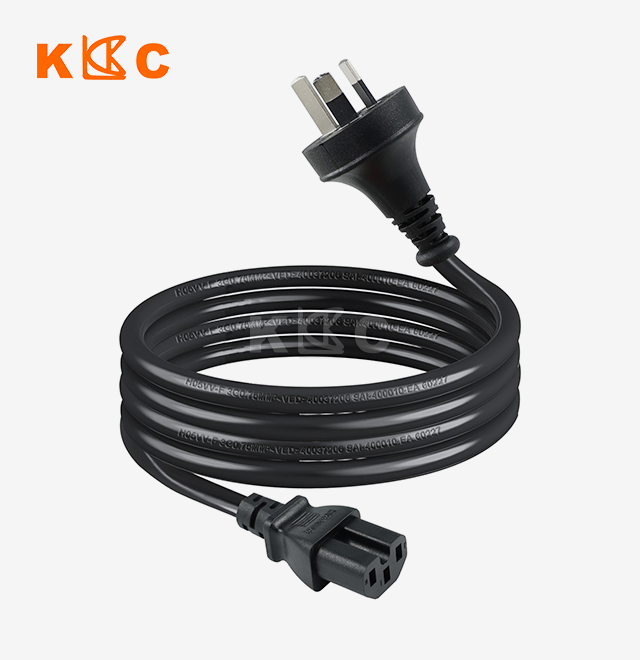 VIEW MOREAS/NZS 3112 to IEC C15 High-Temp Cord
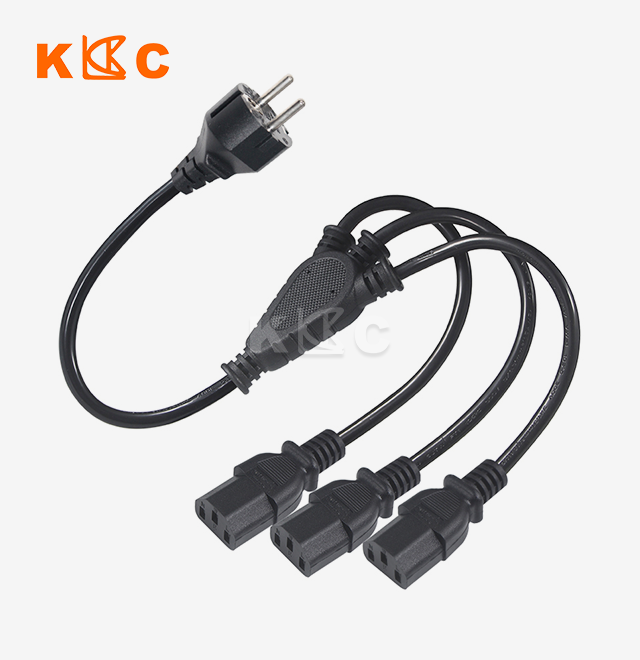 VIEW MOREeurope plug type
_1785401762684.webp) VIEW MOREIEC 320 C8 Male to C7 and NEMA 1-15R Female Y-Splitter Power Cable
VIEW MOREIEC 320 C8 Male to C7 and NEMA 1-15R Female Y-Splitter Power Cable_1778575304578.webp) VIEW MOREUS to IEC C5 Power Cord
VIEW MOREUS to IEC C5 Power Cord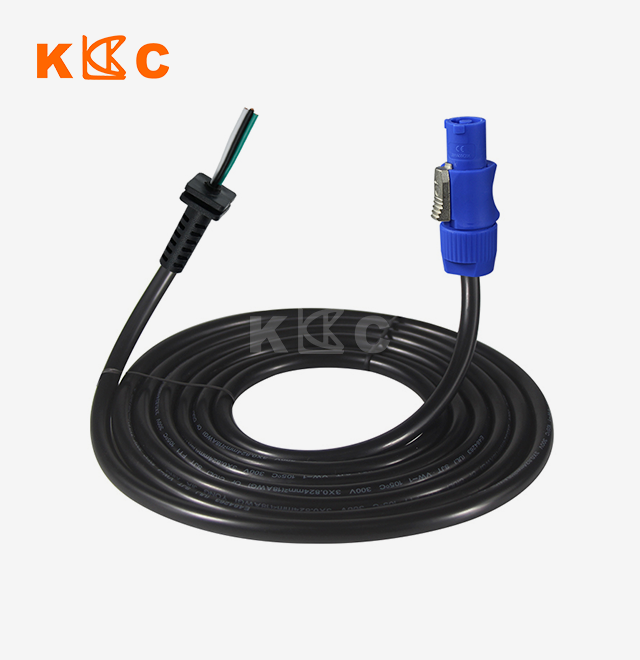 VIEW MOREpowercon power cable
 VIEW MORE5v 12v power supply
 VIEW MOREuninterrupted power supply for wifi router
 VIEW MOREwall extension plugs