


How NEMA14-30P Power Cord Bare Wire Supports Custom Electrical Installations?
Custom electrical installations demand precision, adaptability, and unwavering safety standards. The NEMA14-30P power cord bare wire offers engineers and facility managers unparalleled flexibility when hardwiring high-amperage equipment into industrial control panels, commercial generator systems, or specialized machinery. Unlike pre-assembled power cords that limit customization, the bare wire configuration enables on-site length adjustments, direct termination into junction boxes, and seamless integration with existing electrical infrastructure. Rated for 30 amps at 125/250V, this heavy-duty solution eliminates unnecessary adapters while ensuring compliance with North American electrical codes.
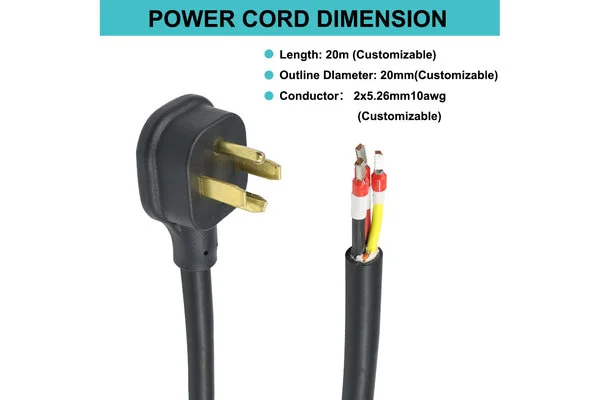
Understanding NEMA14-30P Power Cord Bare Wire: Specifications and Applications
Core Electrical Ratings and Conductor Design
The stability of the conductors is what makes a power transfer system work. A 4-prong NEMA14-30P power cord bare wire connects to four separate wires: two hot wires (L1 and L2), one neutral wire, and one ground wire. Our product uses 10 AWG oxygen-free copper stranded wire, which was chosen on purpose to be able to handle a steady 30-amp current flow without breaking down over time. The tight stranding pattern increases the cross-sectional contact area and lowers electrical resistance by about 15% compared to options that are wound more freely.
Thermoplastic insulation layers, like STW or SRDT, protect the environment very well. Mineral oils, UV rays, and temperature changes between -40°C and +85°C can't hurt these materials for long periods of time. This toughness keeps the insulation from cracking, which could cause dangerous ground faults when you're putting equipment in buildings that aren't warm or outside generator enclosures.
Safety Certifications That Matter
Professional-grade parts are separated from consumer-level products by compliance documentation. Every batch we make goes thru 100% automated electrical testing. Dielectric strength tests show that the insulation can handle 1,500 volts AC for 60 seconds without breaking. UL 817 and CSA C22.2 standards govern how plugs are made, how strain relief mechanisms work, and how conductors are terminated. ETL and CSA certifications show that these standards are being followed. These credentials aren't just nice-to-haves; they offer real safety against electrical fires and shock risks in business settings.
Typical Application Environments
In textile factories, industrial drying systems need to have 240V power delivered continuously to the heating elements. Electricians can run cables thru tight pipe runs with the bare wire end before making connections inside distribution panels. Commercial laundromats with several large dryers can benefit from custom cable lengths that get rid of coiled extra wire, which is a frequent source of electromagnetic interference in sensitive electronic controls that are sensitive.
More and more, NEMA14-30P power cord bare wire configurations are used for Level 2 charging infrastructure in EV charge stations. The four-wire grounded design makes sure that the charging equipment chassis is properly connected to the facility ground systems. This is an important safety requirement when using equipment in public parking garages or fleet maintenance yards.
The Advantages of Using NEMA14-30P Power Cord Bare Wire in Custom Installations
Unmatched Installation Flexibility
Power cords that are already shaped mean that technicians have to work with set lengths. You end up with tangled extra cables that could cause someone to trip or not enough reach, which means you need to buy expensive extension cords. With NEMA14-30P power cord bare wire designs, these limits are gone for good. When you receive our precisely stripped and tinned terminations, they are ready to connect right away under screw terminals, compression lugs, or spring-cage clamps. A controlled solder coating is put on during the tinning process. This stops the copper from oxidizing and makes the conductor surface smooth. This is important to know when you're trying to fix connections that were installed months ago, because tarnished copper raises contact resistance and creates heat that speeds up component failure.
Field customizing is more than just changing the length. When equipment makers put power distribution into machinery cabinets, bare wire can go thru internal wire channels and end at connection points that are clearly marked. When compared to managing bulky pre-assembled cords during production line processes, this method cuts assembly time by about 30%.
Cost Efficiency Through Strategic Procurement
Buying things in bulk can save a project a lot of money. When installing washer/dryer hookups in each of 50 apartment units, buying NEMA14-30P power cord bare wires by the spool instead of pre-assembled units saves a lot of money on each connection. Because our supply chain is so streamlined, there are no markups for distributors. Instead, you buy directly from a manufacturing facility that has been audited by institutions from around the world. There, raw copper is metallurgically checked before it is extruded.
Tight building plans can be kept with the help of predictable lead times. Standard orders are shipped within 15 business days, and our inventory management system lets us restock in small amounts without having to meet a minimum order size. This versatility comes in very handy when retrofit projects find extra connection points while tearing down walls.
Enhanced Safety Through Proper Matching
Electrical conditions at a site call for custom solutions. When a facility works near saltwater, it needs better rust protection than what normal PVC jackets can offer. Our technical team can recommend neoprene or chlorinated polyethylene materials that don't break down in salt fog. Fluoropolymer insulation that can stand up to harsh solvents is also good for installations that are exposed to chemicals in cleanrooms where pharmaceuticals are made.
For grounding to work, the conductors must be the right size throughout the whole circuit. In order to save money, pre-assembled lines sometimes use ground wires that are too small. Our 10 AWG ground conductor matches the hot wires' current-carrying capacity. This makes sure that fault currents reliably trip overcurrent protection devices when there is a ground fault. This way of thinking about design is in line with the grounding rules in National Electrical Code Article 250, which are the basis of modern electrical safety standards.
How to Properly Wire and Install NEMA14-30P Power Cord Bare Wire
Essential Tools and Preparation Steps
Choosing the right tools is the first step to a successful installation. You'll need calibrated wire strippers that can remove the outer jacket material without damaging the insulation inside the conductor. A torque screwdriver makes sure that terminal connections are made according to the manufacturer's instructions. Screws that are too loose make high-resistance joins that get too hot, and screws that are too tight crush conductor strands, which lowers the current capacity. Before turning on equipment, digital multimeter to check the connection of the circuit to make sure it is working properly.
Safety rules must not be ignored. Before you touch any wires, you should always use a non-contact voltage tester to make sure that the power is off at the breaker box. Put a warning tag on the circuit that needs work and lock out the breaker that controls it. During the joining process, rubber insulation gloves rated for the working voltage add an extra layer of safety.
Step-by-Step Termination Process
To start, find the exact length of the cable that you need and add 10% extra to allow for strain relief loops inside junction boxes. Carefully score the outer jacket around the outside with a tool knife. Then, peel off the insulation to reveal the four wires inside. Take off about 3/4 inch of insulation from each end of the lead. Our pre-tinned wires keep their shape, which makes them easier to plug into terminal blocks.
Standard color rules say that black and red wires should connect to the two hot bus bars, white wires should connect to the neutral bar, and green or bare copper wires should connect to the grounding bar. Tighten the terminal screws until they reach the force level written on the equipment marking. For 10 AWG wire, this is usually 25 to 30 inch-pounds. Put the cable thru strain relief connectors that are approved and clamp onto the outer jacket. This takes the stress off of the electrical connection points.
Verification and Testing Protocols
After making all the actual links, make sure everything is in good shape before turning the circuits back on. Make sure that no stray wires connect the terminals that are next to each other. Use a megohmmeter to check the insulation resistance between the wires and the ground. Readings below 1 megohm mean that the insulation may be damaged and need to be looked into. During the first 30 minutes of operation, slowly turn on the power while keeping an eye out for strange sounds, smells, or heat buildup at the connection points.
Procurement Insights: Buying and Sourcing NEMA14-30P Power Cord Bare Wire
Material Quality Indicators
Paying close attention to certain details is needed to tell the difference between high-quality parts and cheaper options. Look at the surface of the conductor. Pure copper has a unique reddish-pink color, while cheaper copper-clad aluminum looks much duller. Ask for metallurgical composition reports that show the copper content is more than 99.9%. Another sign of quality is how flexible the insulation is; rigid jackets that break when bent are made of low-quality polymer materials that break down easily in the environment.
Verification of certification goes beyond just taking papers at face value. Check the mentioned file numbers against the official UL and CSA databases that you can reach thru their websites. Manufacturers that are honest are happy to have their factories checked out, and they keep thorough records of the tests they do on each batch to show how well they meet standards for dielectric strength, conductor resistance, and flame spread.
Comparing Configuration Options
NEMA14-30P power cord bare wire is designed to meet a unique 30-amp, split-phase voltage need that is different from most other designs. The NEMA14-50P version has 6 AWG conductors and 50 amps for bigger devices like RV hookups and high-capacity welders. Standard 15-amp home lines at 125V single-phase are shown by NEMA5-15P. By knowing these differences, you can avoid making costly specification mistakes during the procurement process.
Application context tells you what settings to use. Standard PVC jackets can be used for setups inside climate-controlled areas, but SOOW (Service Oil-resistant Outdoor Weather-resistant) or similar requirements are needed for connections between generators outside. Engineering staff at Kuncan Electronics are always available to look over project specs and suggest the best options for your needs and budget.
Strategic Supplier Partnerships
Long-term procurement efficiency depends on building ties with makers who consistently deliver high-quality goods on time. Vertically integrated production capabilities that control the sourcing of raw materials thru final assembly, documented quality management systems certified to ISO 9001 standards, and clear communication about production lead times and inventory availability are some of the things that you should look for in a supplier.
Continuous quality monitoring is used at our plant, and statistical process controls keep track of important measurements at several stages of production. We don't use raw materials that haven't been tested, and we keep track of materials so that finished products can be traced back to specific batches of copper ingots. This level of strictness makes sure that you get parts that meet published specifications and not just products that look like they're of good enough quality.
Case Studies: Successful Custom Installations Using NEMA14-30P Power Cord Bare Wire
Industrial Laundry Facility Retrofit
An industrial laundry manager who was in charge of 30 large dryers had ongoing repair problems with power cords that came pre-assembled, breaking at the plug connection points. During spin cycles, equipment vibration put stress on molded plug bodies, which eventually caused internal terminals to come loose. The maintenance team at the building worked with our engineering team to come up with a NEMA14-30P power cord bare wire solution that uses heavy-duty cord grips and panel-mount outlets that are built right into the frames of the equipment.
In order to install it, old wall outlets had to be taken out, and NEMA14-30P power cord bare wires had to be routed thru reinforced flexible conduit to central junction boxes. Industrial-grade connector blocks that can handle high vibrations were used for the connections. The change completely got rid of plug connection problems and cut the cost of installation materials by about 35%. Instead of looking for problems inside molded plug bodies, maintenance staff now regularly check the links between exposed terminals.
OEM Equipment Manufacturing Integration
A company that makes machines for automated packaging systems needed an easy way to connect power to control cabinets while the machines were being put together on an assembly line. In the past, they bought lines that were already put together, routed them thru cabinet knockouts, and secured extra wire inside small enclosures. This method took too long to put together and made it hard to manage the wires.
By switching to buying NEMA14-30P power cord bare wire in bulk, production technicians were able to get exact lengths while putting together cabinets, strip terminations on-site, and connect directly to terminal strips with clear labels. Custom-length construction cut down on closet clutter and made it easier to get to services in the future. The company that made the parts said that they could put together electrical parts 40% faster and with better quality control because it was easier to see how well the connections were made during final tests.

Conclusion
Custom electrical setups based on NEMA14-30P power cord bare wire configurations offer clear benefits in a wide range of industrial, business, and specialized equipment settings. Heavy-duty 10 AWG copper wires, precision-stripped terminations, and weather-resistant insulation make up the building blocks for safe and efficient power distribution. Customizing wire lengths and ending methods takes away common installation problems and cuts down on waste, whether you're adding on to existing buildings, putting together OEM equipment, or setting up new infrastructure. Safety certifications that have been checked and strict quality controls during production make sure that every connection meets the strict requirements of the electrical code, protecting both people and equipment.
FAQ
What voltage and amperage does the NEMA14-30P power cord support?
The 30 amps of 125/250V split-phase power that this NEMA14-30P power cord bare wire setup provides is good for medium-duty industrial equipment, commercial dryers, and Level 2 EV charging points. There are two hot legs with 125V each, a neutral return line, and a safety ground in the four-conductor system.
Can bare wire power cords be used outdoors?
For outdoor use, the right jacket specifications are needed. Our STW and SRDT insulation materials can withstand extreme temperatures, moisture, and UV rays. This means they can be used in protected outdoor areas like covered generator enclosures. SOOW-rated cables offer better weather resistance for fully exposed installations.
How do I verify the product meets safety standards?
Check the plug cover for lasting ETL or CSA markings that show it has been certified by a third party. Ask for proof that testing included dielectric strength, circuit resistance, and strain relief performance, along with UL file numbers. Manufacturers with a good reputation, like Kuncan Electronics, include full certification packages with every order.
What's the typical lead time for custom length orders?
Standard setups are sent out 15 business days after the order is confirmed. Depending on the production queue, lead times may go up to 20 to 25 days for custom orders that need special insulation compounds or lengths that aren't standard. We can handle rush orders when our production schedule allows it.
Partner with Kuncan Electronics for Reliable NEMA14-30P Power Solutions
Kuncan Electronics has been making specialized products for 17 years, and we use that experience in every NEMA14-30P power cord bare wire assembly we make. Our building is strictly controlled to make sure that the cleanliness of the conductors is always the same, that the terminations are done correctly, and that safety rules are followed. As an Alibaba Verified Supplier with B2B clients around the world, we know that procurement teams need to be able to count on having the right inventory on hand, clear communication, and quick technical support.
Our engineering team offers personalized advice that matches product specifications to your operational environment, whether you're looking for parts for a single retrofit project or making supply agreements for ongoing production needs. We have flexible minimum order quantities, competitive bulk pricing, and fast shipping options to help you meet tight project deadlines. Get in touch with our buying experts at rhea@szkuncan.net to talk about your unique electrical installation needs and get full technical specs. Find out how working with a reliable NEMA14-30P power cord bare wire maker can make your supply chain run more smoothly while safeguarding safety and performance at all times. You can look at all of our products at nema5-15.com.
References
1. National Electrical Manufacturers Association. (2021). ANSI/NEMA WD 6-2016: Wiring Devices - Dimensional Specifications. Rosslyn, VA: NEMA Publications.
2. Underwriters Laboratories. (2019). UL 817: Standard for Safety Cord Sets and Power-Supply Cords. Northbrook, IL: UL Standards.
3. National Fire Protection Association. (2020). NFPA 70: National Electrical Code (NEC). Quincy, MA: NFPA Publications.
4. Canadian Standards Association. (2018). CSA C22.2 No. 21: Flexible Cords and Cables. Toronto, ON: CSA Group.
5. Institute of Electrical and Electronics Engineers. (2020). IEEE 142: Recommended Practice for Grounding of Industrial and Commercial Power Systems. Piscataway, NJ: IEEE Press.
6. International Electrotechnical Commission. (2019). IEC 60227: Polyvinyl Chloride Insulated Cables of Rated Voltages up to and including 450/750 V. Geneva, Switzerland: IEC Central Office.

USER EVALUATE
Here is the customer's evaluation of us