


SAE Extension Cable vs Battery Tender Extension Cable
When evaluating power connection solutions for automotive, solar, and industrial applications, understanding the distinction between SAE extension cables and Battery Tender extension cables becomes critical for operational efficiency. The SAE to SAE Extension Cable represents a universal connectivity standard featuring gender-neutral quick-disconnect connectors, supporting current capacities up to 30A with pure copper conductors that minimize voltage drop. Battery Tender extension cables, while similarly configured, are often proprietary designs specifically engineered for Battery Tender branded charging systems. Both cable types serve battery maintenance and charging functions, yet their connector compatibility, gauge options, and environmental durability differ significantly—making informed selection essential for procurement professionals managing diverse equipment fleets and power distribution networks.
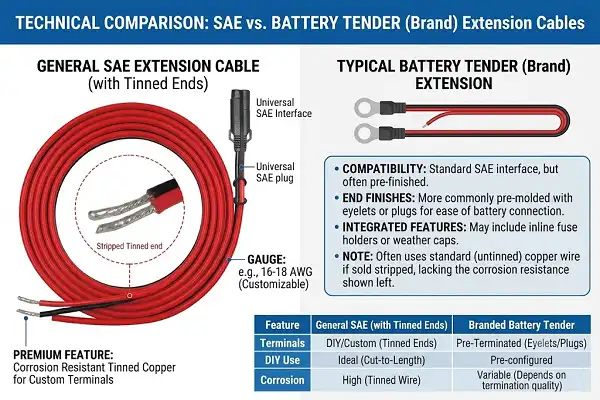
Understanding SAE Extension Cables and Battery Tender Extension Cables
Core Definitions and Industry Applications
Although they were first created by the Society of Automotive Engineers, SAE Connectors have become the standard way to connect low-voltage DC power in solar energy systems, RVs, motorcycles, and marine applications. These two-pin polarized connectors stop links with the wrong orientation and let you quickly connect and disconnect equipment without tools. Manufacturers' broad acceptance creates interoperability benefits that make it easier for wholesalers to manage portfolios of equipment from multiple brands.
The connectors on Battery Tender Extension Cables are SAE-compatible, but they are sold especially for Deltran Battery Tender charging devices. Even though these cables work in the same way, they might have unique features, such as built-in fuse safety or specific gauge needs that match Battery Tender charger specs. Industrial buyers often buy these lines to extend the charging reach in places like fleet repair shops, staging areas for warehouse equipment, and seasonal storage facilities for vehicles. These places have fixed charging stations that serve more than one battery location.
Technical Characteristics and Certification Standards
Both types of cables can handle voltages between 12V and 24V systems, and professional-grade cables can handle up to 300V. The materials used to make the housings for the connectors range from simple PVC to weather-resistant thermoplastic elastomers that can handle UV light, temperature changes from -40°C to +85°C, and chemicals like fuel, oil, and cleaning products. Kuncan Electronics makes SAE Extension Cable solutions with molded strain relief that stops wire fatigue at connection points. This is a common way for cables to fail in industrial settings where they are bent and shaken a lot.
Premium cables are different from basic ones because they have waterproof ratings. Our models with the IP67 rating have built-in dust caps that keep moisture out of the terminals. This means they can be used for outdoor advertising displays, security camera installations, and farming tools that are exposed to rain, snow, and humidity. The 300V insulation grade is higher than what's needed for cars, which adds safety for uses with solar panel systems where voltage spikes can happen when the panels are disconnected while they are under load.
Connector Interface Specifications
The bisexual SAE connector design lets either end join to terminals that are the same gender. This gets rid of the confusion about male and female orientation that slows down installation. This gender-neutral design is especially useful for field service situations where technicians have to work in dim light or small spaces with lots of equipment. The spring-loaded contacts keep the electrical resistance below 5mΩ during connection cycles. This stops the voltage drop that happens when cables are too long and makes charging less effective.
Battery Tender-specific plugs keep SAE compatibility while adding color-coded housings and raised labels to make the brand stand out. When Battery Tender chargers are used with systems from other makers, industrial buying teams often choose universal SAE Extension Cables to support settings with a mix of equipment. The ability to swap out parts lowers the number of spare parts that need to be kept on hand and makes repair easier for businesses that are spread out in different areas.
Technical Comparison: SAE Extension Cable vs Battery Tender Extension Cable
Electrical Performance Parameters
The wire diameter you choose has a direct effect on the current capacity and voltage drop performance of an SAE to SAE Extension Cable. Oxygen-free copper conductors are available in 10AWG, 12AWG, 14AWG, and 16AWG sizes for professional-grade SAE extension solutions. Our 10AWG SAE to SAE Extension Cable models can handle continuous 30A loads and are suitable for high-current solar panel arrays, RV battery charging systems, and other demanding power distribution applications. The 16AWG versions are commonly used for motorcycle maintenance and low-power accessory connections. The high-purity copper construction of an SAE to SAE Extension Cable reduces resistance and reactive heat generation, helping prevent premature insulation damage and connector failure compared with lower-quality copper-clad aluminum alternatives.
Battery Tender extension cables usually use 16AWG or 18AWG wire, which is sufficient for chargers with standard 1.25A to 5A output ratings. However, industrial users managing higher-capacity charging equipment require a durable SAE to SAE Extension Cable with heavier gauge conductors to minimize energy loss and maintain stable performance. At a 10A load, a 25-foot 16AWG cable can experience around 0.4V voltage loss, reducing charging efficiency in 12V circuits by nearly 3%. Upgrading to a 12AWG SAE to SAE Extension Cable reduces voltage drop to approximately 0.16V under the same conditions, improving energy transfer efficiency and shortening charging cycles by 12 to 15 minutes in large battery bank applications. With reliable SAE connectors, waterproof protection, and durable cable materials, high-quality SAE to SAE Extension Cable products provide stable performance for automotive, solar, marine, and off-grid power systems.
Inline Fuse Integration and Safety Features
Integrated fuse protection is one of the most important differences in professional cable requirements. Our SAE Extension Cables have ATO-style automobile fuses that are rated between 15A and 40A based on the wire gauge. These fuses protect equipment further down the line from overcurrent situations that can happen when short circuits or broken parts happen. The weatherproof design of the fuse holder keeps the circuit protection intact in outdoor installations where water could damage regular fuse blocks.
Some Battery Tender Extension Cables don't have inline fuses and instead use protection circuits built into the charger. This way of designing works fine for charging only, but it leaves cables open to damage when they are used for other things too, like powering inverters, air compressors, or extra gear. Independent cable fusing helps industrial operations by isolating faults without turning off whole charging stations. This cuts down on downtime in fleet repair operations where multiple cars need to be serviced at the same time.
Environmental Durability and Material Science
Temperature resilience affects how reliable a cable is in industrial process settings and climates that change with the seasons. Kuncan Electronics engineers SAE Extension Cables with PVC jacketing that is made to keep their flexibility at -40°C. This keeps standard wires from breaking easily, which makes them useless in cold storage facilities, outdoor phone systems, and car fleets that operate in northern climates. The UV-stabilized compounds don't break down when they're exposed to the sun all the time, so they keep their dielectric strength and physical stability for more than 10 years, which is good for solar farms and public advertising.
Battery Tender Extension Cables that are mostly used for repair work in the shed or inside may have less active environmental protection. Professional SAE Extension Cables are better because they are made of better materials and are used by businesses that use equipment in hot deserts, salty coastal air, or chemical processing plants. Our nickel-plated brass terminals don't rust when exposed to acidic battery gases and air pollutants that make copper or zinc-plated alternatives corrode and cause charging problems that come and go.
How to Choose Between SAE Extension Cable and Battery Tender Extension Cable for Your Business Needs
Application-Specific Selection Criteria
Heavy-gauge SAE Extension Cables that can handle high temperatures and UV light are needed for solar power systems. In off-grid systems with multiple 100W to 300W panels that feed centralized charge controllers, our 10AWG models can connect panels in parallel. The low-resistance copper conductors help collect as much energy as possible during the sun's peak hours, and the 300V insulation rating gives you extra safety over what a home solar array can handle. Flexible cable constructions are useful for RV and boat uses because they let cables go through tight spaces without kinking. This means that the electricity stays connected even when the cables are bent over and over again while the vehicle is being used or when setting up equipment.
Maintenance workers who work on motorcycles and other powersports put quick-disconnect ease ahead of highest current capacity. Installing a fixed battery lead with weatherproof contact caps is possible with the SAE to SAE Extension Cable design. This lets techs connect chargers without having to take off seats, fairings, or side panels. This ease of access cuts the time it takes to service each car by 5 to 8 minutes, which directly boosts shop productivity in store service departments that handle a lot of cars and fleet maintenance facilities that take care of hundreds of seasonal equipment units.
Cable Length and Gauge Optimization
Both the length and gauge of the cable are affected by how far it needs to go. Because we can make things in a variety of ways, we can offer standard SAE Extension Cables from 3ft to 25ft. For specialized industrial installations, we can also make longer custom lengths. Gauge selection is based on voltage drop estimates. 12V systems can handle about 3% voltage loss (0.36V) before charging efficiency drops significantly, while 24V systems can handle proportionally higher absolute losses while still meeting percentage limits.
A 14AWG wire that is 15 feet long and carrying 10A has a 0.3V drop, which is fine for most uses. To keep the same level of performance when extending to 25 feet, you need to switch to 12AWG. Industrial procurement teams that are in charge of stocking standard cables can choose heavier gauges that can handle the longest distances and heaviest loads. This cuts down on the number of SKUs needed and makes sure that the cables work well in all kinds of deployment situations. During the quote process, our engineering team figures out the voltage drop and suggests gauges that work with certain working factors.
Supplier Evaluation and OEM Customization
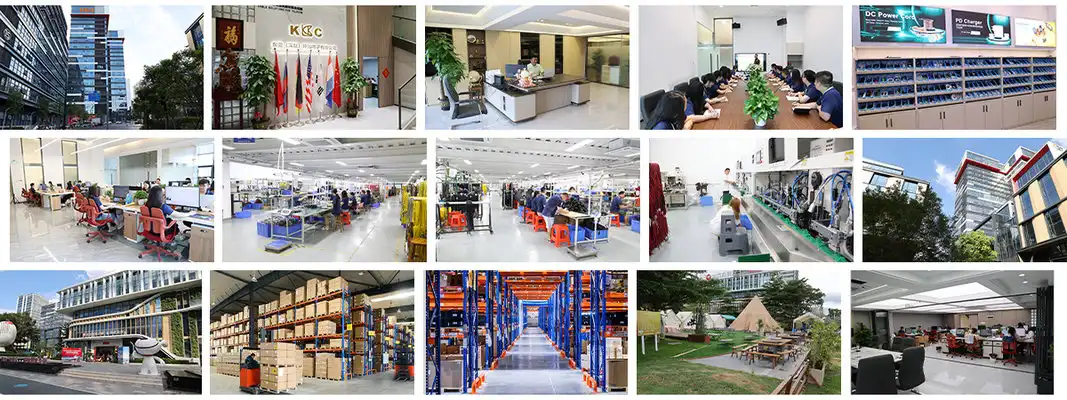
Direct relationships with manufacturers offer cost savings, access to expert support, and the ability to customize products that aren't available through distributor outlets. After 17 years of production experience, Kuncan Electronics can meet OEM needs for custom cable lengths, color-coded jacketing to make it easy to find the right cable for the job, private label packing, and changes to connectors. With 15–25 day lead times that support just-in-time stocking strategies that lower storage costs, our minimum order size is flexible enough to handle both one-time purchases to test the market and large-scale production runs.
Quality certifications show that the manufacturing process is consistent and that the product meets safety standards. Our ETL, VDE, CE, and RoHS certifications show that our products meet North American, European, and international standards. This makes it easier for regulators to approve products that use our cables as parts or accessories. The 100% electrical testing routine finds problems with the way the parts were made before they are sent out. This lowers the number of failures in the field to less than 0.1% and makes it easier for dealers and OEM customers to handle warranty claims.
SAE to SAE Extension Cable: Applications and Advantages
Renewable Energy System Integration
SAE Extension Cables are used in solar energy systems to make flexible power distribution networks. Standardized SAE interfaces let portable solar panels used on construction sites, in emergency teams, and in remote monitoring stations connect to battery banks and charge controllers. Our 12AWG wires can handle the 8–12A output from 200W portable panels without getting too hot, and the quick-disconnect design lets you quickly change the way the system is set up as project needs change.
Off-grid home and business solar systems are easier to build and maintain when they are made with SAE extension modules. Technicians can disconnect panel strings to clean, test, or replace parts without turning off the power to the whole array. This makes operations safer and cuts down on downtime. The weatherproof dust caps keep unused connections from rusting when the system is only partially turned back on, which can happen in seasonal vacation homes and farms with changing power needs.
Installation Best Practices and Longevity Optimization
The right way to route cables keeps mechanical damage from happening, which leads to early breakdowns. Do not make sharp bends that are bigger than the minimum radius specified by the maker, which is usually 10 times the width of the cable. These bends can damage the insulation and stress the conductor strands. Using the right clamps and grommets, keep cables away from moving parts, hot surfaces, and sharp edges. Our connectors' molded strain relief needs clear moving zones to keep the wires from wearing out at the jacket interface, which is where bending puts the most mechanical stress.
Protocols for regular inspections make service life longer than what is given. Every three months, look at the terminals for signs of corrosion, such as green oxidation on the copper contacts or white powder deposits from electrolyte moving around. Use electrical contact cleaner to clean the contacts and dielectric grease to keep moisture away from the connection surfaces. Check the jacketing for cracks, wear, or discoloration that could mean UV damage. If you find any, replace the wires whose insulation is compromised before they cause an electrical failure. By doing these maintenance tasks, you can keep the connection resistance below 5mΩ, which is important for sending power efficiently.
Cost-Effectiveness in Operations with a lot of Work
The standard form of the SAE polarized connector cord makes it easier to buy things because it makes it easier to find low prices and keep track of inventory. Fleet operations that take care of hundreds of vehicles can save money by buying in bulk from companies like Kuncan Electronics. This lowers the cost per unit and makes sure that the quality is the same everywhere. Universal compatibility gets rid of the need for a lot of different brand-specific cables, which drives up the cost of inventory and makes it harder to handle extra parts in service networks that are spread out geographically.
Having the ability to deploy quickly cuts down on the cost of labor for service calls and installations. With the quick-disconnect feature, techs can make links in seconds instead of the minutes it takes for hardwired or ring terminal setups. This increase in efficiency is especially helpful in emergency situations, temporary event power distribution, and yearly equipment activation, all of which need to connect a lot of equipment to a charging system quickly.
Procurement Guide: Where to Buy Quality SAE and Battery Tender Extension Cables
Direct Manufacturer Advantages
When you buy from well-known cable makers, you can see the prices, get access to technical experts, and make changes to the cables as needed. Kuncan Electronics provides full OEM services, which include choosing the exact wire gauge, jacket color, connector variations, and packaging design that meets brand needs. Our 17-year presence in the industry shows that we are committed to manufacturing stability and continuous improvement, which are important factors to consider when choosing long-term supply chain partners for ongoing component needs.
Structures that use volume prices encourage buying consolidation. Our minimum order amounts are flexible enough to cover initial qualification purchases, and we offer tiered savings on output volumes that support yearly contracts. Samples are delivered within 3–7 business days, which lets you test prototypes quickly. Bulk production lead times of 15–25 days support quarterly replenishment plans that balance the costs of keeping supplies with the risk of running out. We can take small-batch refill orders without charging extra for lower quantities, which gives you the freedom to buy what you need when demand changes with the seasons.
Quality Verification and Performance Documentation
Reliable suppliers provide extensive technical information to support the qualification process for purchasing SAE to SAE Extension Cable products. Detailed specification sheets for our SAE to SAE Extension Cable solutions include conductor material composition, insulation dielectric strength, connector contact resistance, temperature ratings, current capacity, and certification compliance. The 100% electrical testing procedure verifies each SAE to SAE Extension Cable unit’s voltage performance, continuity, and connection reliability before packaging. Complete test records are available upon request for critical applications that require full traceability, quality documentation, and consistent performance.
Warranty coverage demonstrates the manufacturer’s confidence in the durability and reliability of its SAE to SAE Extension Cable products. All SAE extension cables supplied by Kuncan Electronics include a one-year warranty against manufacturing defects, covering both material issues and assembly problems. Through direct communication with the manufacturer, the warranty process becomes faster and more efficient, eliminating approval delays and responsibility conflicts often found in multi-level distribution channels. When field issues occur, our technical support team provides application guidance, troubleshooting solutions, and failure analysis to identify root causes. This professional support system helps customers achieve safer installations, longer service life, and dependable power connections for automotive, solar, RV, marine, and industrial applications.
Distribution Channel Selection Strategy
Online markets are convenient and can quickly ship small amounts, but they may not offer consistent quality or technical help. Industrial procurement experts who are in charge of important projects can benefit from having direct relationships with manufacturers that allow them to offer technical advice, make custom products, and be open about quality control. When you buy more of something, the price difference between marketplace sellers and direct sourcing gets smaller. On the other hand, manufacturers' value-added services and ability to customize products give them a competitive edge that you can't get through commodity distribution channels.
The ability to handle international logistics affects both the total cost of landing and the reliability of delivery. Kuncan Electronics has long-term partnerships with freight forwarders and customs brokers that make sure that global shipments are processed quickly and easily. Our knowledge of FCA, FOB, and DDP Incoterms gives procurement teams a range of delivery options that work with their current logistics plans. When needed by corporate shipping policies, we work with shippers chosen by the customer to make sure that our services fit in perfectly with existing supply chain operations.
Conclusion
Which one to choose between SAE Extension Cables and Battery Tender Extension Cables comes down to practical needs, compatibility needs, and performance standards. Universal SAE to SAE Extension Cable configurations give you the most options, working with a wide range of equipment types and uses and making inventory management easier. Battery Tender-specific connections work well for charging specific types of batteries, but they make it harder to use different kinds of tools together. Procurement professionals who value long-term value, the ability to customize products, and technical support can benefit from direct manufacturer partnerships with well-known suppliers like Kuncan Electronics. With 17 years of experience, Kuncan Electronics offers consistent quality, competitive pricing, and full OEM services that support complex industrial power distribution needs.
FAQ
Can SAE extension cables work with Battery Tender chargers?
If the connector interface meets the requirements set by SAE J1239, then yes, SAE Extension Cables can still be used with Battery Tender chargers. The standard two-pin polarized design makes sure that the electrical connection works, no matter what brand of cable is used. Industrial buyers should make sure that the wire size is right for the cable length and charger output. For example, 16AWG is enough for Battery Tender's usual 5A maximum output over 15 feet of distance, while 14AWG construction minimizes voltage drop on longer runs.
What maximum length is recommended without performance degradation?
The wire gauge and current load determine the longest length that can be used. For 12V systems with 10A loads, 14AWG cable keeps the voltage drop below 3% for about 20 feet, while 12AWG cable does the same thing for 32 feet. For solar applications with higher currents, the lengths need to be proportionally shorter or the gauges need to be heavier. Our engineering team does voltage drop estimates based on the specifics of your application. This makes sure that the cable specifications meet all practical needs.
How do I verify waterproof capability for outdoor installations?
Check the connector housing for documentation on the IP rating and built-in dust caps. When dust caps are put on the terminals during disconnection, Kuncan Electronics' professional SAE extensions are weatherproof to IP67 standards. The grade means that the building is dust-tight and that it can withstand brief immersion in water up to a depth of 1 meter. UV-resistant jacketing goes well with waterproof connections because it keeps the insulation from wearing down from constant sun contact in solar, telecommunications, security, and outdoor settings that last for years.
Partner with Kuncan Electronics for Professional SAE Extension Cable Solutions
Kuncan Electronics has enterprise-grade SAE Extension Cable solutions that can help you connect your power devices. These solutions are backed by 17 years of manufacturing excellence. As an SAE to SAE Extension Cable supplier, we can offer custom gauges from 10AWG to 18AWG, lengths from 3ft to 25ft, and OEM services such as private labeling, color-coded jacketing, and connector changes that are needed for specific applications. Each wire goes through strict 100% electrical testing and pull-testing to make sure it works well in the toughest solar, automotive, industrial automation, and green energy uses.
We know that buying something involves more than just looking at the specs of the item. It also involves how reliable the supply chain is, how quickly technical support can help, and how valuable the partnership will be in the long run. You can email our engineering team at rhea@szkuncan.net to talk about your unique needs, ask for technical documentation, or get bulk prices for projects that are coming up. Our quick sample delivery and flexible minimum order amounts meet the needs of both prototyping and large-scale production. Our global certifications, such as ETL, VDE, CE, and RoHS, make sure that we meet all regulations in all foreign markets.
References
1. Society of Automotive Engineers (2019). "SAE J1239: Low Voltage Battery Connector Standard for Automotive Applications." SAE International Technical Standards.
2. National Electrical Manufacturers Association (2021). "Wire Gauge Selection for DC Power Distribution: Voltage Drop Calculations and Best Practices." NEMA Engineering Guidelines.
3. Underwriters Laboratories (2020). "UL 2556: Wire and Cable Test Methods for Environmental Resistance." UL Standards & Engagement.
4. International Electrotechnical Commission (2018). "IEC 60529: Degrees of Protection Provided by Enclosures (IP Code)." IEC Technical Publications.
5. Institute of Electrical and Electronics Engineers (2022). "IEEE 1625: Standard for Rechargeable Batteries for Portable Computing Devices." IEEE Standards Association.
6. American Boat and Yacht Council (2021). "ABYC E-11: AC and DC Electrical Systems on Boats - Conductor Sizing and Protection." ABYC Technical Standards.

USER EVALUATE
Here is the customer's evaluation of us
YOU MAY LIKE
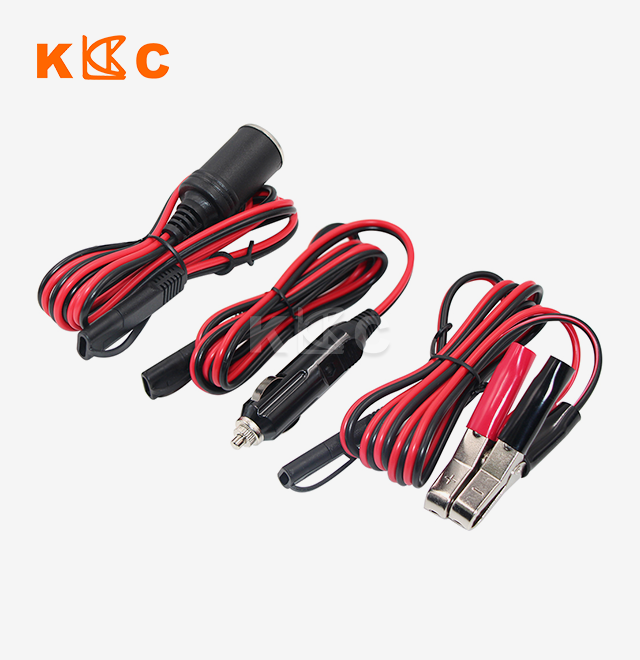 VIEW MORECigarette Lighter to Alligator Clips
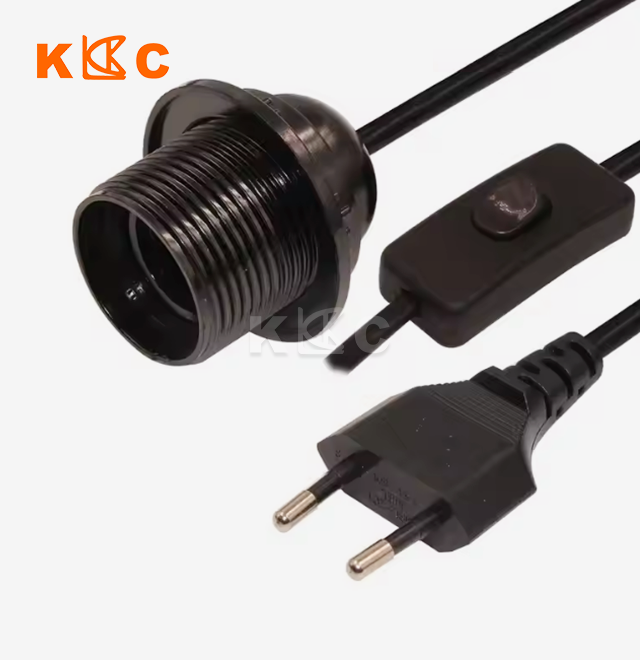 VIEW MORElight bulb holder with cord
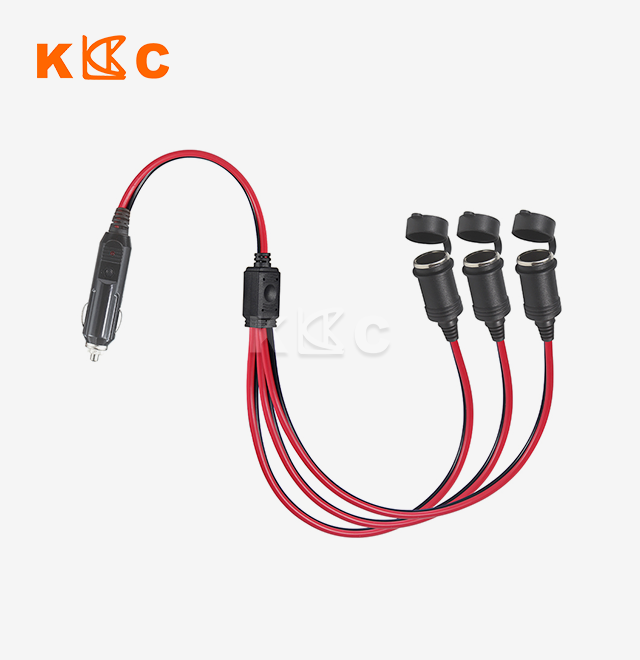 VIEW MORE3-Way Cigarette Lighter Socket Splitter
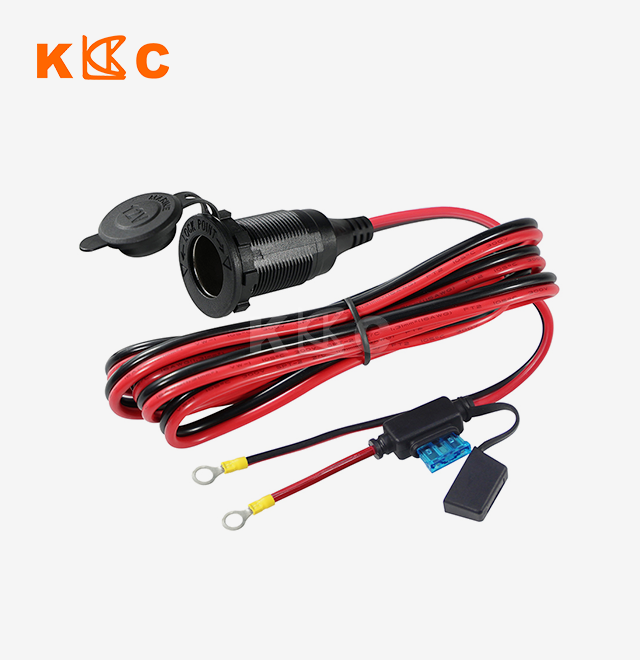 VIEW MORE12V Car Female Socket with Fuse and Eyelet Terminal
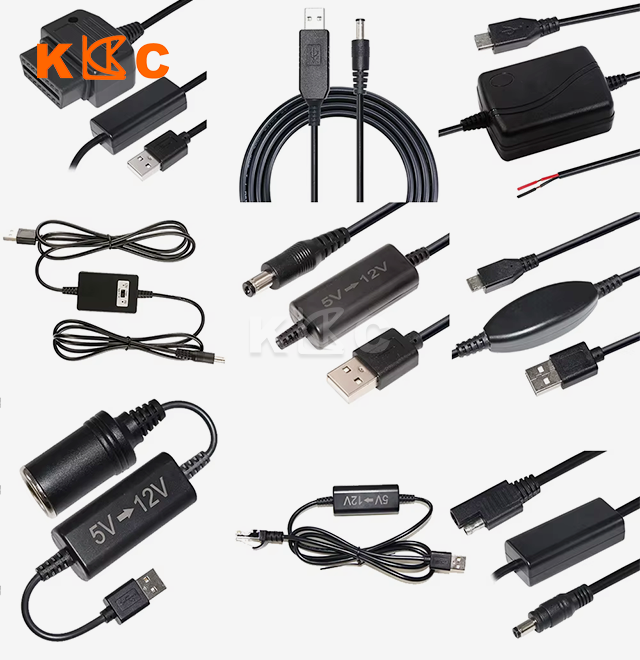 VIEW MOREDC step up boost converter
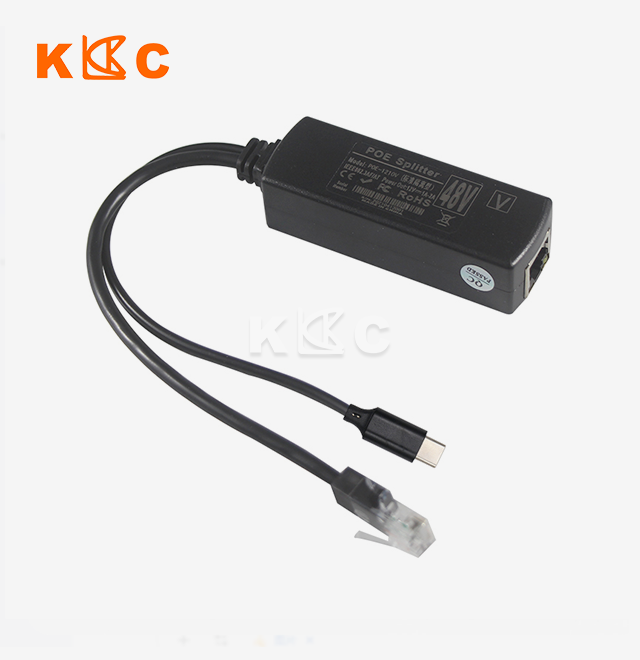 VIEW MOREpoe to usb-c
 VIEW MOREflying lead connections
 VIEW MORE5v/12v power supply