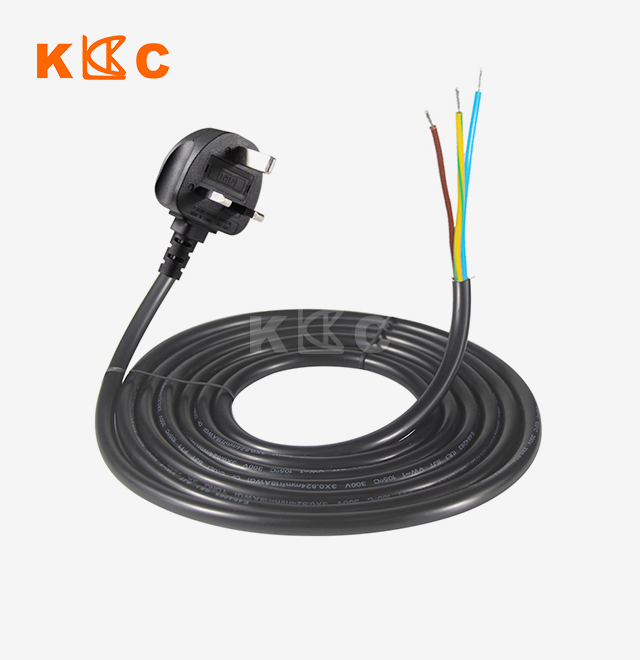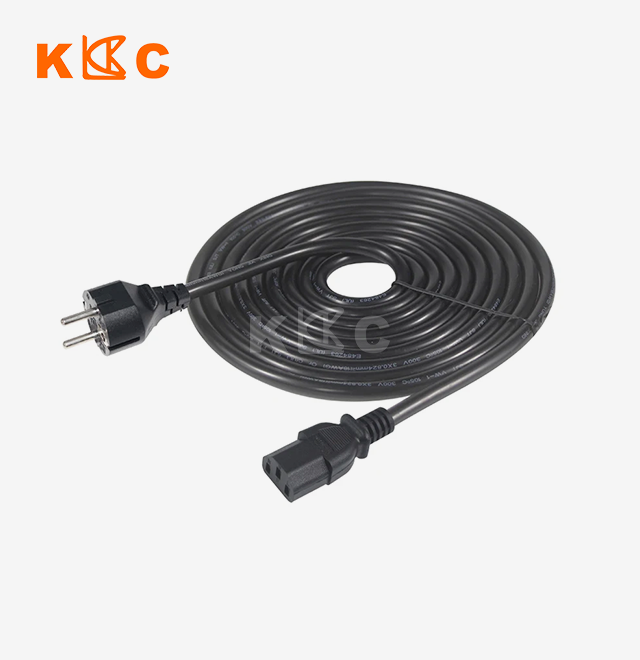

Best C13 Power Cords for Modern Data Centers
Choosing the right C13 cable power options is very important when looking for the best power connections for mission-critical systems. Modern data centers need power lines that are always reliable, have strong electrical performance, and meet strict safety standards. The best C13 power lines have exact current values, high-quality conductor materials, and standards like ETL and CE. This makes sure that they work well with PDUs, servers, and network equipment. Good quality C13 cables keep voltage drops to a minimum across rack settings and can work continuously in harsh thermal conditions, saving your infrastructure investment and uptime.
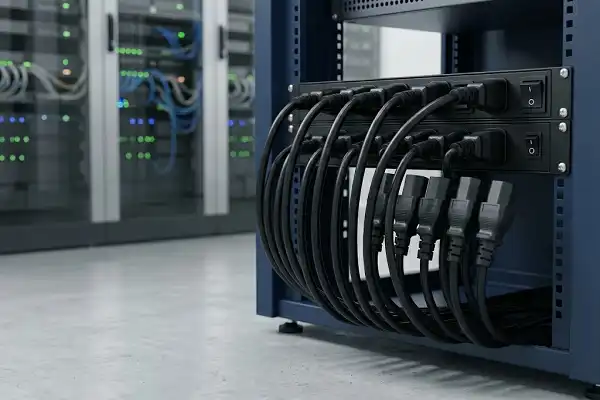
Understanding C13 Power Cords: Specifications and Applications
What Defines a C13 Power Cable?
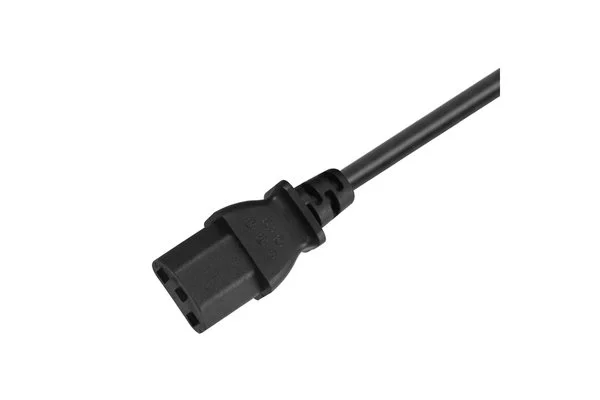
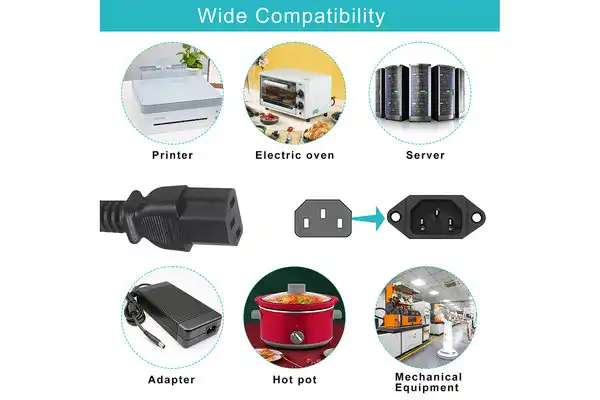
Most rack-mount computers, storage systems, and networking switches have an IEC 60320 female inlet that looks like a C13 connector. Most of the time, these three-pole AC mains lines can handle voltages between 100V and 250V and currents between 10A and 15A, though this depends on local standards and wire gauge requirements. The pin setup has three contacts: a line contact, a neutral contact, and a protected earth contact. This makes sure that power is delivered safely through a friction-fit connection that stays in place during normal use.
Core Electrical Specifications
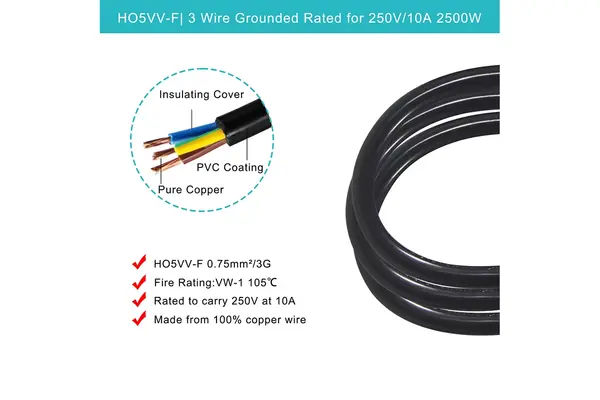
When matching wires to equipment needs, it's important to know the amperage limits. Standard C13 power lines with a 10A rating work well for most server tasks. However, high-density computer settings usually need 15A-rated connections with heavier gauge conductors, usually 14 AWG or 12 AWG. When running cables longer than three meters, it's important to figure out the voltage drop because thinner wires may be needed to keep the cable working well and keep it from getting too hot. Temperature rates are also important. High-quality cables have jackets made of H05VV-F or SJT materials that are rated for 70°C to 105°C. This makes them last longer in warm rack settings.
C13 vs. C14 and Industry Standards
The female plug for appliances is called C13, and the male plug for power distribution units and UPS outputs is called C14. This pair is what holds the power flow in a data center together. Meeting the requirements of IEC 60320-1 ensures that the mechanical longevity will be maintained through more than 5,000 insertion and removal repetitions. Regional safety certifications, like ETL for North America, VDE for Europe, and SAA for Australia, check the safety of the insulation, the continuity of the ground, and the dielectric's ability to handle voltage. These certifications protect against electrical dangers and make sure that products are accepted by regulators around the world.
How to Choose the Best C13 Power Cable for Your Data Center?
Matching Voltage and Current Requirements
Before making a purchase choice, it's important to correctly estimate how much power connected tools will need. Servers that use 800W at 120V need about 7A, which is well within the normal 10A wire limit. High-performance computer nodes that use 1,500W need cords that are designed for 15A and have the right size conductors. If this standard isn't followed, the cable could get too hot, the covering could break down, and the cable could eventually fail. Always check the equipment's nameplate data and choose wires that have headroom above their highest draw. To account for ongoing loads, NEC rules say to plan for an 80% derating.
Evaluating Cable Length and Material Durability
The power drop and mechanical flexibility are directly affected by the length of the cable. Shorter runs of 0.5 m to 2 m work well in racks with a lot of room constraints that require compact wiring. Longer lines (3–5 meters) let you move equipment around more easily, but they need bigger conductor sizes to make up for resistive losses. When looking at jacket materials, PVC is a cost-effective choice for controlled settings, while thermoplastic elastomer jackets offer better flexibility and abrasion resistance for installs that need to be rearranged often. Strain release design at connection points keeps conductors from getting stressed out and wires from breaking too soon.
Certifications and Quality Assurance Testing
Reliable providers of c13 cable power follow strict testing procedures before sending goods. 2,500V AC is applied between the wires and the ground in dielectric voltage withstand tests. This checks the integrity of the insulation and stops leakage risks. When you test for temperature rise under rated load, you make sure that the contact resistance stays low and the heat discharge stays within safe limits. Pull force testing proves that strain relief works, showing that wires can handle installation pressures without damage on the inside. Instead of taking promises that can't be proven, procurement teams should ask for third-party certification paperwork like ETL, CE, and RoHS as proof that the product is compliant.
Top 5 Best C13 Power Cords for Modern Data Centers
When looking for the best C13 power lines, you need to look at well-known brands whose goods always meet strict data center standards. The following choices show a range of possible buying situations, from well-known names to OEM solutions that can be customized.
APC by Schneider Electric – Enterprise-Grade Reliability
Because they have worked well in the field for decades, APC power lines are widely used in corporate data centers. Their C13 cables have heavy-duty 14 AWG wires that can handle 15A continuous loads, molded strain relief designs that keep the cables from getting damaged when they bend, and a lot of certificates from groups like UL, CSA, and VDE. APC has lengths ranging from 0.6m to 4.5m to accommodate different rack setups. The three-year warranty shows that the company is confident in the quality of the products it makes. For setups that need hundreds of wires, bulk buying programs offer savings of more than 20%.
Tripp Lite – Cost-Effective Versatility
Tripp Lite is a great deal for mid-market data centers that need to balance quality needs with limited budgets. Their basic C13 cables have 18 AWG conductors that can handle 10A loads, making them perfect for networking gear and regular rack computers. Tripp Lite's lifetime guarantee shows that they care about how long their products last. Black, blue, red, and yellow color-coded choices make it easier to find circuits in complicated setups, which cuts down on the time needed for troubleshooting during maintenance. Their wires meet strict RoHS environmental standards, which helps with green efforts without charging more.
StarTech – Specialized High-Temperature Solutions
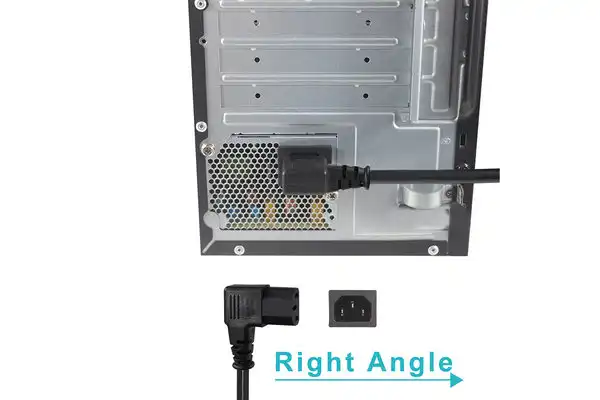
StarTech solves special thermal problems with C13 wires that have high-temperature SJT jackets that can withstand temperatures up to 105°C. These jackets work better than regular PVC ones in warm places. In edge computing operations or colocation centers with strict temperature setpoints, this feature comes in handy. StarTech has both left-angle and right-angle connectors that make it easier to handle cables in small areas and let more air flow around equipment intakes. Their technical documents have thorough specification sheets with data on how well the products worked when they were tried, which helps with the engineering validation processes.
AmazonBasics – Bulk Procurement Efficiency
For large-scale operations that value standardization and quick availability, AmazonBasics offers simple options. Their C13 power cords have basic safety approvals and reasonable prices for orders over 100 pieces. The warranty only lasts for one year, which is less than expensive brands, but the faster procurement rounds are made possible by the simplified purchasing process through well-known distribution channels. These cables are good for non-critical tasks or short-term setups where the extra features make the lower original cost worth it.
Kuncan Electronics – Customized OEM Solutions
Kuncan Electronics is different because it can customize everything and has been making things for 17 years. The 10A to 15A rates on our C13 power cords range from 18 AWG to 12 AWG in terms of flexible conductor sizes. We can make custom lengths without a minimum order quantity, match the color of the jacket to your specs, and print your name for seamless brand integration. Our wires are certified by ETL, VDE, CE, SAA, and RoHS, which means they are safe for use in all markets around the world. Fast sample in 3–7 business days lets you confirm quickly, while full production can range from 100 to 100,000 units and takes 15–25 days. Every product comes with a one-year warranty that covers problems caused by poor manufacturing. Quick replacement processes keep operations running smoothly.
Real-world support for c13 cable power comes from hearing from a wide range of clients. A colocation provider in Texas said that after 18 months of constant operation at 28°C, none of the 2,000 Kuncan C13 lines had failed because of power issues. One OEM server maker added our custom 2m C13 cords to their line of products and praised how the quality stayed the same across multiple production runs and how well the logistics worked.
Best Practices for Using and Maintaining C13 Power Cables in Data Centers
Proper Installation Techniques
Installing things correctly starts before the wires get to the devices. A visual check should make sure that the insulation is still in place, the junction molding is secure, and there is no wire exposure. During installation, don't make sharp bends that are less than the cable's minimum bend radius, which is usually four times the width of the cable. This puts stress on the wires and speeds up the cracking of the insulation. Never run power cables parallel to data lines for long lengths; keep them at least 50 mm apart to keep electromagnetic interference from messing up important network messages.
Overtightening cable ties, which compresses jacket materials and creates stress concentration points, and running wires across sharp rack edges without safety grommets are two common installation mistakes. Both of these things cause shielding to fail early and could cause short circuits. When daisy-chaining power distribution, you need to figure out the total amperage across shared circuits so that you don't go over the PDU branch circuit values, which can cause fires and trip overcurrent safety devices without warning.
Cable Management and Airflow Optimization
Good wire handling has a direct effect on how well equipment cools and how long it lasts. Instead of zip ties, use hook-and-loop clips to loosely bundle power cords. This will allow them to expand when they get hot and make future changes easier. Instead of running wires directly across equipment intakes, run them vertically along rack rails. This keeps airflow paths clear, which is important for keeping the equipment at the right temperature. Instead of squeezing extra cable length into small areas, it should be wound up freely behind equipment. This keeps heat from building up and wearing down insulation over time.
Color-coding techniques make upkeep work a lot faster and better. By giving different colors to different types of voltage, circuit sources, or equipment, workers can quickly find links while troubleshooting, which cuts down on the average time it takes to fix problems during downtime. Using property management software to record cable routes and circuit placements creates institutional knowledge that stays with the company even when staff changes.
Maintenance Schedules and Replacement Criteria
Having regular inspections stop surprising problems before they happen. Visual checks should be done every three months to look for physical harm, discoloration that means the machine is overheating, and broken connectors. Using infrared cameras to do annual thermal imaging studies finds hot spots at connections before insulation breaks down. Differences in temperature between wires that are more than 15°C should be looked into right away. Load testing with calibrated ammeters makes sure that the real current draw fits what was expected. This finds phantom loads or broken equipment before the cable's capacity is exceeded.
Seeing cracks in the insulation, burn marks, melted jackets, or temps that are higher than the stated limits are all signs that it needs to be replaced. If cables are involved in electrical events like short circuits, overcurrent trips, or close equipment failures, they should be changed right away, even if there is no damage that can be seen on the outside. This is because damage to the conductors inside the cables may not be obvious. Planning preventive repair rounds every five years for circuits that are constantly loaded is a cheap way to protect key paths from age-related breakdowns.
Procurement Strategies: Where and How to Buy C13 Power Cables?
Evaluating Wholesale vs. Retail Channels
When you buy in bulk through approved wholesalers or direct maker relationships, you can save a lot of money on deployments with more than 50 cables. Volume savings usually start at 15% for orders of 100 to 500 units and go up to 30% for orders over 1,000 units. When you work directly with the maker, you can get specific lengths, connector angles, and jacket colors that you can't get through retail channels. You can also set long-term price deals that keep your budget stable for infrastructure projects that last for many years.
When project deadlines don't allow for wholesale wait times for c13 cable power, retail routes through big electronics distributors are a good way to get small amounts of goods quickly. Inventory availability and fast shipping choices meet pressing replacement needs, but the price per unit is 40–60% more than what it would be at a bulk store. Hybrid methods keep a small amount of stock in stores in case of emergencies, while they get supplies for planned operations through trade channels.
Supplier Assessment Criteria
When screening possible providers, you need to look at more than just price to see how trustworthy they are. Check the legitimacy of a third-party certification by asking for the certificate number and comparing it to databases maintained by the certification body. The cable industry is plagued by fake certificates. Ask for sample cables to test out in real life, checking the quality of the molding on the connectors, the stability of the wire gauge, and the properties of the jacket material. Suppliers you can trust will give you thorough technical specs, such as tested temperature rise data, voltage drop calculations, and documentation on the materials used.
A manufacturing skills review shows you suppliers who can grow with your business. You can visit sites in person or online to get an idea of how they handle quality control, how advanced their testing equipment is, and how they get their raw materials. Suppliers who use ISO 9001 quality management systems show that they can be consistent in a planned way. Ask about normal wait times, minimum order quantities, and the ability to make changes. For example, manufacturers that need 10,000-unit minimums will turn down mid-market buyers.
Partnering with Experienced Manufacturers
Kuncan Electronics is a great example of how smart relationships with power suppliers can help a data center. Since we've been in the business for 17 years, we have a deep knowledge of how needs change as computer densities rise and efficiency standards get stricter. We keep varied supply lines for raw materials that reach across many countries. This protects our clients from problems in their own regions and makes sure that the quality of the materials that come into our facilities is always the same.
Our flexible order amounts allow for replenishment batches as small as 50 units, which lowers the cost of keeping inventory. Our flexible production schedule meets urgent needs—expedited production for important projects ships within seven days. Clear contact through specialized account managers makes sure that specifications meet application needs, avoiding costly mismatches in specifications. Technical support doesn't stop when the sale does. Our engineering team is ready to help with installation problems or make sure that our products work with new equipment platforms.

Conclusion
It's important to find the right C13 power cords for current data centers by combining technical specs, quality control, and the speed of purchase. The best cables have the right current values, are made of strong materials, have all the necessary approvals, and have been tested and shown to be reliable in a wide range of working circumstances. Strategic relationships between suppliers and experienced makers allow for customization, quick delivery, and ongoing technical support that goes beyond simple purchases. Facility managers make sure that power infrastructure stays a source of uptime instead of a source of unexpected failures by following the right installation procedures, regular upkeep processes, and proactive replacement strategies. Making smart choices about purchases today keeps expensive problems from happening tomorrow, which protects both long-term building investments and the continuity of operations.
FAQ
What maximum current can standard C13 cables safely handle?
In most foreign markets, standard C13 power lines can handle loads of 10A continuously at 250V. Applications in North America that need 15A rates need heavier 14 AWG or 12 AWG wires to keep them from getting too hot. Always check that the markings on the wire match or go beyond the nameplate ratings of the linked equipment. For ongoing loads, the electrical code requires that the ratings be lowered by 80%.
How often should C13 cables undergo inspection in production environments?
The best practice in the business is to do visual checks every three months to look for physical damage and thermal imaging surveys once a year. High-criticality circuits that support equipment that makes money should be checked every month. Any wire that was involved in an electrical event needs to be replaced right away, even if it doesn't look damaged. This is because damage to the internal conductors may not show up on the outside.
Can C13 cables safely connect high-wattage servers exceeding 1,500W?
High-wattage computers that use more than 12A at 120V need 15A-rated C13 lines with the right conductor size, which is usually at least 14 AWG. When standard 10A wires are regularly loaded close to their capacity, they could overheat and lose their insulation. To keep safety margins, make sure that the wire rating and upstream circuit security fit what the equipment needs.
Contact Kuncan Electronics for Premium C13 Cable Power Solutions
Kuncan Electronics offers custom C13 cable power options that make your data center infrastructure stronger through service that is quick and reliable. As a well-known company that has global approvals for C13 cable power, such as ETL, VDE, CE, and SAA, we make cables that meet strict quality standards and offer low prices for large orders. Our customization options let you meet specific needs like jackets that can withstand different temperatures and color-coded labeling, all without having to meet unreasonable minimums that limit your options. For testing, samples are sent out within 3–7 business days, and it takes 15–25 days to get samples ready for bulk production. You can email our technical team at rhea@szkuncan.net to talk about your unique needs, ask for sample kits, or get bulk prices for projects that are coming up. We offer consulting services that help you find the best options, so your investment in power infrastructure gets the most out of it.
References
International Electrotechnical Commission. (2021). IEC 60320-1: Appliance Couplers for Household and Similar General Purposes - Part 1: General Requirements. Geneva: IEC Publications.
National Fire Protection Association. (2020). NFPA 70: National Electrical Code - Article 645: Information Technology Equipment. Quincy: NFPA Standards.
Rasmussen, N. (2018). Electrical Efficiency Measurement for Data Centers. Schneider Electric White Paper Series, Document 154.
Uptime Institute. (2019). Data Center Power and Cooling Infrastructure Best Practices. New York: Uptime Institute Professional Services.
TIA-942-B Standard. (2017). Telecommunications Infrastructure Standard for Data Centers. Arlington: Telecommunications Industry Association.
Turner, W.P. & Seader, J.H. (2022). Data Center Physical Infrastructure: Powering and Cooling Systems Design. Wiley Professional Computing Series.

USER EVALUATE
Here is the customer's evaluation of us
_1781163912838.webp)